
The UK E-Commerce Brand's Hybrid Photography Playbook: When to Shoot Real, When to Use AI
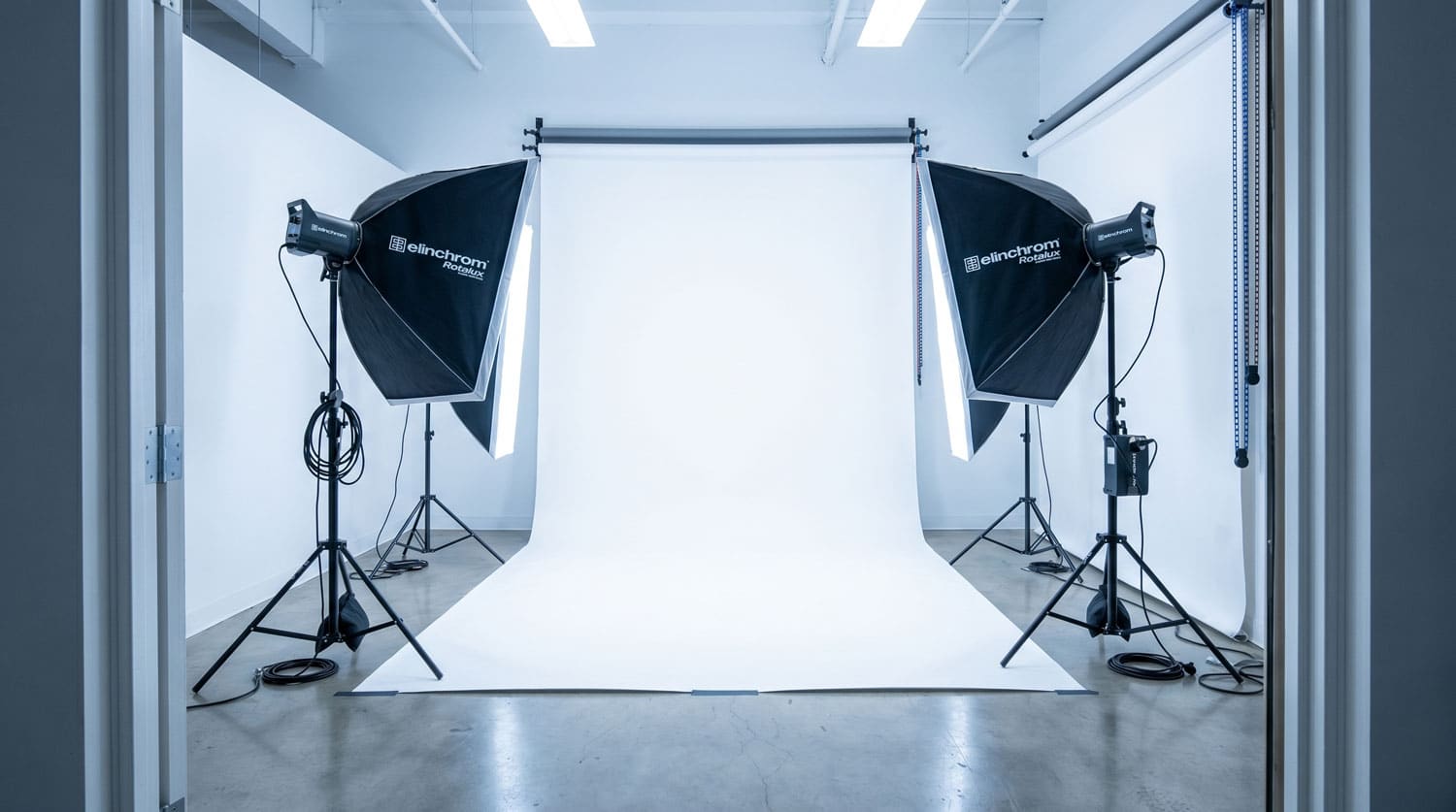
The Photography Bill That’s Holding UK Brands Back
AI-enhanced product photography is changing what UK e-commerce brands can achieve with their visual content budget — but only when it is used in the right places. Knowing which images genuinely need a real shoot, and which can be handled faster and more cost-effectively through AI, is where the real saving is made.
For UK e-commerce brands shooting traditional product photography at scale, the costs are significant. Photographer day rates typically run between £600 and £1,000, and that figure does not include studio hire, model fees, props, or post-production. A single lifestyle shoot with a model can add £400 to £800 per look before retouching is even considered. For a mid-sized brand with a catalogue of 50 to 100 SKUs, a full visual content refresh commonly runs to £20,000–£40,000 — with lead times of six to ten weeks from brief to final delivery.
The frustrating part is that a significant proportion of that budget is being spent on images that could be produced differently. The brands finding an edge in 2026 are not those abandoning photography entirely for AI tools, nor those ignoring AI altogether. They are the ones who have learned which images genuinely need a real shoot and which can be handled faster, cheaper, and just as effectively through AI-enhanced production.
This playbook explains how that decision works in practice — and how UK e-commerce businesses of all sizes can apply it.
The False Choice: AI-Only vs Traditional-Only


Why AI-Only Falls Short
Fully AI-generated product imagery — where the product itself is synthesised rather than photographed — creates a trust problem. Consumers are increasingly adept at identifying imagery that does not match what arrives in the post. Return rates climb when the product delivered does not match the image shown. For texture-heavy products such as knitwear, leather goods, ceramics, or skincare packaging, AI generation alone cannot yet replicate the tactile accuracy that drives purchase confidence.
There is also a compliance issue. Amazon UK requires that main listing images show an accurate photographic representation of the physical product. A fully AI-generated main image does not meet this requirement, and listings that use them risk suppression.
Why Traditional-Only Fails at Scale
Traditional photography remains the gold standard for certain image types. But it is structurally ill-suited to the demands of modern e-commerce — particularly for brands managing large catalogues, frequent seasonal refreshes, or multiple product variants.
A fashion brand with 12 colourways per garment and 60 garments in a new collection is looking at 720 separate product configurations. Shooting each traditionally is not viable. A homeware brand wanting to show its candles across six seasonal lifestyle contexts — spring kitchen, summer garden, autumn living room — faces similar economics. Traditional photography simply cannot iterate at the speed the market requires.
The Hybrid Model: What It Actually Means
- Shoot what must be photographed — hero images, texture-critical shots, high-trust product details
- Extend those real assets using AI — lifestyle backgrounds, seasonal variations, colour swaps, on-model scaling
- Use AI to create volume content that traditional photography cannot produce affordably — ad creative variants, A+ Content supporting images, social media adaptations
The real photographic base provides accuracy, trust, and Amazon compliance. The AI layer provides speed, scale, and creative flexibility. Neither compromises the other.
Products Photography UK operates exclusively within this model — combining studio-quality real photography with AI-enhanced post-production to deliver visual libraries that would cost three to five times more through traditional methods alone.
The Decision Matrix: Which Image Slots Need Real Photography?

| Image Type | Recommended Approach | Why |
| Hero / Main Listing Image | ✅ Real Photography | Accuracy is non-negotiable — Amazon requires it |
| Product Variants (Colour/Size) | ✅ AI Wins | Avoids re-shooting every variant |
| Lifestyle / Context Shots | ✅ AI Wins | Composite scenes cost a fraction of set builds |
| Texture / Detail Close-ups | ✅ Real Photography | AI cannot replicate true tactile detail faithfully |
| Seasonal Campaign Imagery | ✅ AI Wins | Fast, flexible — swap backgrounds without reshooting |
| A+ Content / Brand Story | ✅ Both | Hero real; supporting content AI-enhanced |
| Fashion On-Model Shots | ✅ Both | Base shoot real; scale with AI virtual models |
| Paid Ad Creative (Meta / Google) | ✅ AI Wins | Volume and testing speed matters over perfection |
| 360° / Spin Photography | ✅ Real Photography | Requires physical product at precise angles |
| Ghost Mannequin (Fashion) | ✅ Both | Studio shoot base; AI removes mannequin & fills |
This matrix is a starting point, not a rigid rule. Product complexity, brand positioning, and platform requirements all affect where the lines fall. A luxury skincare brand will reasonably apply a higher threshold for real photography across more image types than a budget homeware retailer.
Five Scenarios Where Traditional Photography Is Non-Negotiable

1. Amazon UK Main Listing Images
Amazon’s image guidelines are unambiguous: the primary product image must be an accurate photographic representation of the actual product. As of 2026, AI tools are permitted to enhance and edit real product photographs — for background swaps, lifestyle composites, and AI-generated secondary imagery — but the core main image must originate from a real photograph of the physical item. Using a purely generated image risks listing suppression.
2. Texture-Critical Products
Knitwear, leather, suede, ceramics, wood, and rough-surface products all fall into this category. The way light catches a cable-knit stitch, or the grain variation across a leather wallet, communicates quality in ways that AI generation cannot yet match faithfully. For these products, real photography is not optional — it is the trust mechanism that justifies the price point.
3. Reflective and Transparent Products
Glassware, crystal, polished metal, and acrylic products require specialised studio lighting to render correctly. The interplay of reflections, refractions, and specular highlights cannot be fabricated convincingly by AI generation at the standard required for premium e-commerce. These products benefit from expert product photography first, with AI used for background and context extension thereafter.
4. Brand Hero and Campaign Imagery
A brand’s primary hero image — the one used on the homepage, in press coverage, and across above-the-line campaigns — requires the full creative and technical control of a real shoot. This is the image that defines first impressions. The investment in getting it right photographically pays dividends across every channel it appears on.
5. Products Where Colour Accuracy Is Critical
Paint, fabric, cosmetics, and food all require photographically accurate colour representation. When a customer orders a paint colour based on an image, or selects a foundation shade, colour fidelity is not a nicety — it is the basis of the purchase decision and a key driver of return rates. Real photography with calibrated lighting and accurate post-production remains the only reliable way to achieve this.
Five Scenarios Where AI-Enhanced Production Wins

1. Seasonal Background and Context Variations
A product photographed once against a clean studio background can be composited into unlimited seasonal contexts — spring garden scenes, Christmas interiors, summer lifestyle settings — using AI-enhanced production. The cost of creating six seasonal variants this way is a fraction of booking six separate lifestyle shoots. For brands refreshing campaign imagery quarterly, this alone can save tens of thousands of pounds annually.
2. Product Colour and Variant Imaging
Once a hero shot of a product exists in one colourway, AI production can accurately render the remaining variants without a full reshoot. This is particularly valuable for fashion, homeware, and stationery brands where products are sold across a wide colour range. A garment available in 12 colours requires only one real base shoot; the remaining 11 variants can be produced AI-enhanced at a fraction of the cost.
3. Amazon A+ Content and Brand Story Modules
The supporting imagery in Amazon A+ Content — comparison charts, lifestyle context modules, brand story panels — does not require the same photographic accuracy as the main listing image. AI-enhanced production is ideally suited to this content type, allowing brands to build rich, professional A+ modules quickly and cost-effectively.
4. Paid Ad Creative and Social Variants
Digital advertising requires volume. An effective Meta campaign might test four different hero images, three background treatments, and two aspect ratios — generating dozens of creative variants for a single product. AI-enhanced production makes this scale of testing economically viable for brands that could never afford to shoot every variant traditionally.
5. Fashion On-Model Scaling and Diversity
For fashion brands, placing garments on a consistent range of virtual models — across different body shapes, heights, and skin tones — is one of the most powerful applications of AI-enhanced photography. Rather than booking multiple model days to achieve diversity representation, brands can use a single real garment shoot as the base and extend it across a full model range using AI virtual model technology. The result is more consistent, more inclusive, and dramatically more cost-effective.
Worked UK Cost Example: 80-SKU Fashion Brand

| Cost Element | Traditional Photography | Hybrid AI-Enhanced (PPUK) |
| 80-SKU hero shots (white bg) | £8,000 – £12,000 | £3,200 – £4,800 |
| Lifestyle / context shots (×3 per SKU) | £12,000 – £18,000 | £1,600 – £2,800 |
| Seasonal campaign refresh | £4,000 – £6,000 | £400 – £800 |
| Colour / variant images | £3,200 – £4,800 | £640 – £960 |
| A+ Content supporting imagery | £2,400 – £3,600 | £480 – £720 |
| TOTAL (estimated) | £29,600 – £44,400 | £6,320 – £10,080 |
| Turnaround time | 6 – 10 weeks | 5 – 10 business days |
The turnaround time advantage is equally significant. Traditional photography at this scale involves shoot scheduling, logistics, post-production queues, and review cycles. A hybrid approach with Products Photography UK delivers the complete visual library in five to ten business days, rather than six to ten weeks.
Ready to see what a hybrid photography budget could look like for your brand? Get a no-obligation quote from the PPUK team.
These figures are indicative. Actual pricing varies based on product complexity, number of variants, and the specific image mix required. Products Photography UK provides detailed quotes following a free consultation — see the contact section at the end of this article.
Amazon UK Compliance: What the Hybrid Model Must Get Right

- Main listing images must be accurate photographs of the physical product. Fully AI-generated main images are not permitted.
- AI enhancement of real photographs is allowed — background swaps, retouching, and lifestyle compositing are all acceptable provided the product itself is accurately represented.
- Secondary images (positions 2 through 9) can include AI-generated lifestyle scenes, infographic overlays, and A+ Content imagery, subject to general quality and accuracy requirements.
- Clothing on Amazon UK must show on a model or ghost mannequin in the main image — AI virtual models are permitted for secondary images but the main image must comply with category-specific rules.
The hybrid model is inherently Amazon-compliant when structured correctly. The real photograph provides the compliant main image; AI production provides the supporting creative library. For a detailed walkthrough of Amazon UK image requirements as they apply to AI-enhanced content, refer to Amazon’s official seller help documentation.
For brands uncertain about compliance across their specific product categories, Products Photography UK reviews Amazon requirements as part of every client brief to ensure all delivered imagery meets current platform standards.
For further reading, Amazon’s Product Image Requirements guide on Amazon Seller Central provides up-to-date category-specific guidance.
How to Get Started With the Hybrid Approach
- Which images are currently underperforming or out of date?
- Which product lines have missing variant imagery?
- Which image slots on Amazon listings are empty or using low-quality imagery?
- What seasonal content will be needed in the next three to six months?
- Where is the brand losing sales due to insufficient lifestyle or context imagery?
This audit typically reveals a mix of genuine gaps — products with no lifestyle imagery, missing colour variants, empty A+ Content modules — alongside existing hero shots that can serve as the base for AI-extended production immediately.
Products Photography UK offers a free initial consultation to UK e-commerce brands wanting to assess their visual content strategy. The consultation includes a review of existing imagery, identification of the highest-impact opportunities, and a clear project scope with transparent pricing.
Why UK Brands Are Better Placed Than They Realise
UK brands working with a professional hybrid photography service rather than a DIY SaaS tool gain several advantages:
- Professional quality control — every image reviewed and approved before delivery
- Amazon UK compliance assurance — product-specific guidance built into every brief
- Consistent visual identity — colour calibration and brand standards maintained across all output
- UK-based team — no time zone delays, direct communication, understanding of the UK retail market
- 48-hour turnaround on standard projects — no queuing for an overseas customer support team
The hybrid model is not a compromise. It is the most strategically sound approach to product photography for UK e-commerce brands that need professional results, marketplace compliance, and sustainable costs simultaneously.
Frequently Asked Questions About AI-Enhanced Product Photography
Is AI-enhanced product photography allowed on Amazon UK?
Yes, with an important distinction. Amazon UK permits the use of AI tools to enhance, edit, and extend real product photographs — including background swaps, lifestyle compositing, and AI-generated secondary images. However, main listing images must be accurate photographs of the physical product. A fully AI-generated main image that does not originate from a real photograph of the item is not compliant with Amazon’s image guidelines. The hybrid model addresses this correctly: the real photograph provides the compliant main image, and AI production handles the supporting creative library.
How much can a UK brand realistically save by using AI-enhanced photography?
Based on typical UK e-commerce project briefs, brands using a hybrid approach save 55 to 70 per cent compared to producing the equivalent image library through traditional photography alone. For an 80-SKU brand requiring hero shots, lifestyle imagery, seasonal content, and variant images, the difference commonly ranges from £20,000 to £35,000 per production cycle. The saving is most significant on lifestyle imagery, seasonal content, and colour variant production — the image types that traditional photography scales poorly.
Can AI-enhanced photography match the quality of traditional studio photography?
For the image types where AI-enhanced product photography is recommended — lifestyle backgrounds, seasonal composites, colour variants, ad creative, and supporting website imagery — the output is indistinguishable from traditionally produced imagery when created by an experienced team. For image types where real photography is essential — hero shots, texture-critical products, reflective surfaces — AI production is not recommended as a replacement. The hybrid model uses each approach where it genuinely excels.
How long does AI-enhanced production take compared to a traditional shoot?
A traditional product photography project for a mid-sized UK brand typically takes six to ten weeks from initial brief to final delivery, accounting for shoot scheduling, logistics, post-production queuing, and review cycles. A hybrid approach with Products Photography UK delivers the complete visual library in five to ten business days on standard projects. Rush turnaround is available for time-sensitive campaigns.
What types of products are best suited to the hybrid approach?
The hybrid model works well for almost all UK e-commerce product categories, with the most significant impact seen in fashion and apparel, homeware and interiors, beauty and skincare, food and beverage, stationery and gifts, and consumer electronics. Products with complex textures, reflective surfaces, or precision colour requirements benefit most from a strong real photography base — with AI production handling the volume content around that foundation.
Does Products Photography UK offer AI fashion model photography?
Yes. AI virtual model photography is one of the core services offered by Products Photography UK. Garments photographed in the studio can be placed on a consistent range of virtual models across different body shapes, heights, and skin tones — producing a diverse, professional on-model imagery library at a fraction of traditional model hire costs. This service is particularly popular with UK fashion brands managing large catalogues or launching new collections.
How does the consultation process work?
Products Photography UK offers a free initial consultation for UK brands assessing their visual content needs. The consultation covers a review of existing imagery, identification of the highest-impact opportunities, and a clear project scope with transparent pricing. There is no obligation to proceed. To arrange a consultation, use the contact form on the productsphotography.co.uk website or call the studio directly.
Is it necessary to provide existing product photography to use AI-enhanced services?
Not necessarily. If existing photography meets the quality threshold required as a base — good lighting, clean background, accurate colour — it can be used directly as the foundation for AI-enhanced production. If existing photography is outdated, inconsistent, or below the required standard, Products Photography UK will carry out a fresh studio shoot as part of the project. The team will advise on the most cost-effective approach during the initial consultation.
Get a Free Consultation for Your UK Brand

Whether a brand is launching a new collection, refreshing an existing catalogue, or building out Amazon A+ Content, the team can assess the brief and provide a clear, transparent quote with no obligation.
Contact Products Photography UK via the website at productsphotography.co.uk to arrange a free consultation. Turnaround times start from 48 hours on standard projects.

Written by Dee Patel
Dee Patel is the founder of Products Photography UK, a West Midlands studio specialising in professional product photography and AI-enhanced imaging. With 16 years of commercial photography experience, Dee works with UK e-commerce brands, Amazon sellers, and B2B businesses across fashion, cosmetics, supplements, and more. Read Dee’s full profile →
Recent Comments