
AI Product Photography Cost UK | Complete 2026 Guide
 AI product photography cost in the UK is one of the most common questions UK e-commerce brands ask before committing to a new visual content strategy — and the answer is rarely a single number. Depending on whether a brand chooses a pure AI tool, a traditional studio, or a hybrid approach that combines both, the cost per image can range from under £1 to over £150. At Products Photography UK, we’ve processed thousands of product SKUs across both traditional studio and AI-enhanced workflows, and the practical reality for most brands sits firmly in the middle ground.
This guide breaks down the real cost of AI-enhanced product photography for UK businesses in 2026 — covering traditional studio pricing, AI-only tool costs, and the hybrid model that a growing number of UK brands are adopting to reduce spend without compromising on quality. All figures are in pounds sterling and are based on current UK market rates.
Why Product Photography Costs Vary So Widely in the UK
Before comparing AI and traditional photography costs, it helps to understand what drives pricing in the first place. UK photographers and studios price around complexity, not simply image count. A straightforward white background packshot of a cosmetics bottle is a fundamentally different job to a styled lifestyle image featuring that same product in a kitchen setting with props, model hands, and multiple lighting setups.
The main factors that influence how much product photography costs in the UK include:
- Product type and complexity — reflective products (glass, jewellery, watches) require specialist lighting rigs and significantly more post-production time than matte products on plain backgrounds
- Image type — white background packshots cost considerably less than lifestyle images, which in turn cost less than multi-setup campaign imagery
- Volume — studios typically apply bulk pricing; a 200-SKU project will have a lower cost per image than a 10-SKU test shoot
- Location — London studios command higher day rates than regional studios; a West Midlands or Manchester studio will typically undercut London pricing by 20–40%
- Retouching depth — basic colour correction is usually included; advanced retouching, compositing, or background replacement is charged additionally
- Usage rights — commercial photography often includes licensing considerations, particularly for larger campaigns
These variables mean that two UK brands with seemingly similar projects can receive quotes that differ by a factor of five or more. It is always worth requesting an itemised breakdown rather than a single headline figure.
Traditional Studio Product Photography Costs in the UK
Traditional professional studio product photography in the UK is typically priced per image, per product, or on a day rate basis. For e-commerce brands, per-image or per-product pricing is the most common model.
Per-Image and Per-Product Pricing
For straightforward white background e-commerce photography, UK studios generally price between £10 and £60 per image. A minimum session charge of around £150 is common to cover studio setup and lighting time, regardless of image count. Lifestyle photography typically starts at £60–£150 per image, with creative campaign photography reaching £300 or more per final image once styling, props, location fees, and post-production are factored in.
Day Rate Pricing
Commercial photography day rates in the UK currently range from £600 to £1,500 per day depending on experience and location. An experienced photographer can typically photograph 30–60 straightforward packshots in a full studio day, or 10–25 more complex products requiring multiple setups.
The Hidden Costs of Traditional Photography
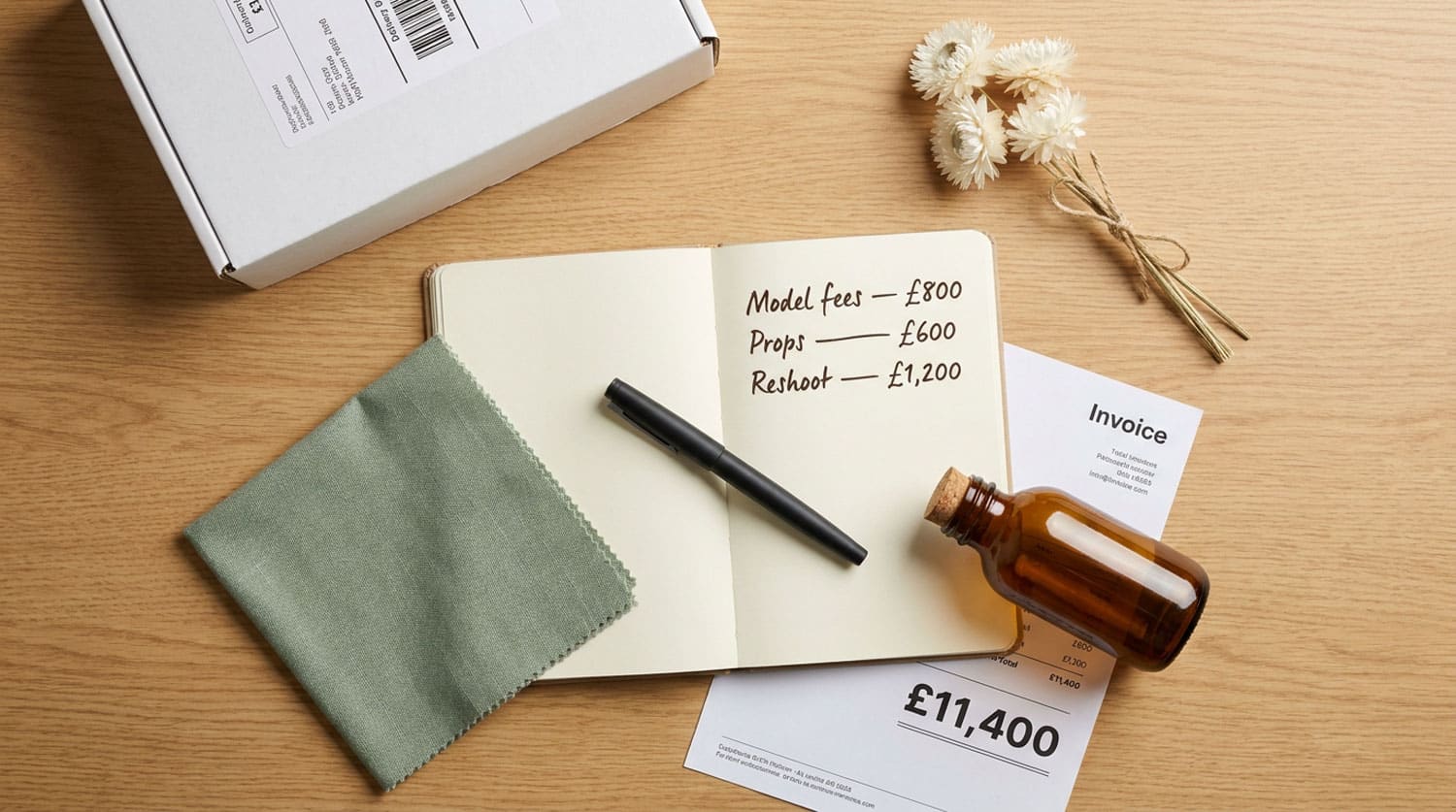
The quoted per-image or day rate rarely reflects the total cost of a traditional photography project. UK e-commerce brands regularly encounter additional costs including:
- Model fees — everyday models from £25 per hour; professional models from £75–£200 per hour
- Studio hire — studio rental runs £100–£400 per day where not included in photographer rates
- Styling and props — a styled lifestyle shoot can add £200–£800 in prop sourcing and styling fees
- Post-production — retouching beyond basic colour correction typically runs £5–£25 per image extra
- Product shipping and handling — sending products to a studio and insuring them for the shoot
- Reshoots — if products arrive damaged or brief requirements change, reshoots incur additional time and cost
For a mid-sized brand refreshing imagery across 80 SKUs with lifestyle and packshot variants, a traditional photography approach can realistically reach £15,000–£30,000 once all line items are included — with lead times of four to ten weeks from brief to final delivery.
AI-Only Product Photography Tool Costs
The AI-only photography market has grown substantially in recent years, with tools ranging from consumer-grade background removers to sophisticated generative platforms. For UK brands evaluating AI-only tools, costs are typically subscription-based rather than per-project.
Consumer and SME AI Photography Tools
Entry-level AI photography tools — platforms such as background removal apps, simple scene generators, and basic image enhancers — typically cost between £20 and £100 per month on subscription plans. The effective cost per image can be extremely low, sometimes under £1 per image, but the quality ceiling means they are rarely appropriate as a standalone solution for brands competing on premium positioning.
These tools work best for high-volume, low-complexity applications: bulk background removal, basic colour correction, and simple variant generation. For hero shots, lifestyle imagery, or any image where brand perception is at stake, AI-only tools at this price point typically fall short.
Professional AI Photography Platforms
More sophisticated AI photography platforms — those capable of generating realistic lifestyle composites, consistent product renders, and on-model fashion imagery — typically range from £150 to £600 per month. At this level, the output quality is significantly higher, but the tools still require quality source imagery to work effectively.
A poorly lit original photograph will produce inconsistent AI outputs regardless of how powerful the platform is. This is one of the key reasons UK brands are moving towards hybrid approaches rather than AI-only workflows: the foundation still needs to be photographically sound.
AI Product Photography Cost UK: The Hybrid Model Explained
The hybrid model — professional studio photography used as the foundation, with AI used to extend and multiply that imagery at scale — is the approach attracting the most interest from UK e-commerce brands in 2026. It resolves the core tension between quality and cost by applying each method where it performs best.
How the Hybrid Cost Model Works
In a hybrid workflow, a focused studio shoot creates hero-quality base images. Those images then feed into AI-enhanced production to generate a significantly larger final image library. A studio session that produces 20 hero images might yield 200 production-ready images once AI enhancement and variant generation is applied — at a fraction of the cost of shooting every variant traditionally.
The types of imagery AI handles well in a hybrid workflow include:
- Seasonal and contextual background variants without reshooting
- Product colour and finish variants generated from a single hero shot
- Amazon A+ Content and enhanced brand story modules
- Social media creative adapted to different formats and aspect ratios
- On-model fashion imagery generated from flat-lay or ghost mannequin shots
Hybrid Pricing in Practice: 50-SKU Comparison
The table below shows a realistic cost breakdown for a 50-SKU project, comparing a fully traditional approach against a hybrid approach using the same brief.
| Component | Traditional Only | Hybrid Approach |
|---|---|---|
| Studio photography (hero shots) | £4,000–£6,000 | £2,500–£4,000 |
| Lifestyle setup and styling | £1,500–£3,000 | £500–£1,000 |
| Model fees | £800–£2,000 | £0–£400 |
| AI enhancement and variant generation | £0 | £1,200–£2,500 |
| Post-production and retouching | £800–£1,500 | £400–£800 |
| Estimated total | £7,100–£12,500 | £4,600–£8,700 |
| Estimated final image count | 100–150 images | 250–400 images |
For a deeper look at which image types suit real photography versus AI, and how to build a hybrid brief, see the UK hybrid photography playbook.
Ready to see what an AI-enhanced photography budget could look like for your brand? Get a no-obligation quote from the PPUK team.
How the PPUK Hybrid Studio Process Works
Understanding the process behind hybrid photography helps brands plan their brief and budget more accurately. At Products Photography UK, the workflow from initial enquiry to final file delivery typically runs as follows.
- Brief and shot list — Before any shoot day is booked, the team works through the brand’s catalogue, intended platforms, and image requirements to build a prioritised shot list. This stage determines what genuinely needs studio time and what can be handled through AI-enhanced production — which is where significant cost savings are often identified.
- Studio shoot — hero images only — The physical shoot focuses exclusively on the images that require controlled studio lighting and hands-on setup: hero packshots, close-up detail shots, and complex products such as reflective or textured items. Everything else is scoped for AI-enhanced production.
- AI-enhanced production — Using Nano Banana Pro on Higgsfield, base images are extended into lifestyle variants, seasonal backgrounds, colour and finish alternatives, and platform-specific adaptations. A single hero image can typically generate five to fifteen usable production variants without any additional studio time.
- Retouching and quality control — Every image — studio and AI-generated — goes through the same post-production review. Colour accuracy is checked against physical product samples, and images are formatted to specification for each target platform (Amazon UK main image, Shopify, social media).
- Delivery — Final files are delivered in platform-ready formats within the agreed turnaround, typically two to four weeks for full catalogue projects. Rush delivery within 48–72 hours is available for AI-generated variants from existing photography assets.
The result of this workflow is a larger, more versatile image library delivered at lower cost per image than a fully traditional approach — without the quality compromise of AI-only tools operating from lower-grade source material.
Real Outcomes: What UK Brands Are Achieving With Hybrid Photography
The practical value of the hybrid model becomes clear when looking at actual results. The following examples are drawn from PPUK’s work with UK e-commerce clients.
Amazon seller — homeware and gifting: A brand listing bamboo and sustainable homeware products on Amazon UK was spending approximately £85 per SKU on traditional photography — totalling around £4,250 for a 50-product refresh. By moving to a hybrid workflow, the same budget covered a focused studio shoot for hero images across the full range, plus AI-enhanced lifestyle composites, A+ Content modules, and social media variants. The effective cost per final usable image dropped to under £15, and the total image count increased from approximately 60 to over 280 production-ready assets.
Fashion brand — AI-assisted on-model imagery: A clothing label requiring on-model imagery for a new collection faced a choice between a two-day traditional model shoot (estimated at £3,500–£5,000 including model fees, styling, and studio hire) and a hybrid approach using studio ghost mannequin shots as the foundation for AI-generated on-model variants. The hybrid route delivered consistent on-model imagery across the full collection at approximately 35% of the cost of a traditional model shoot, with no scheduling delays.
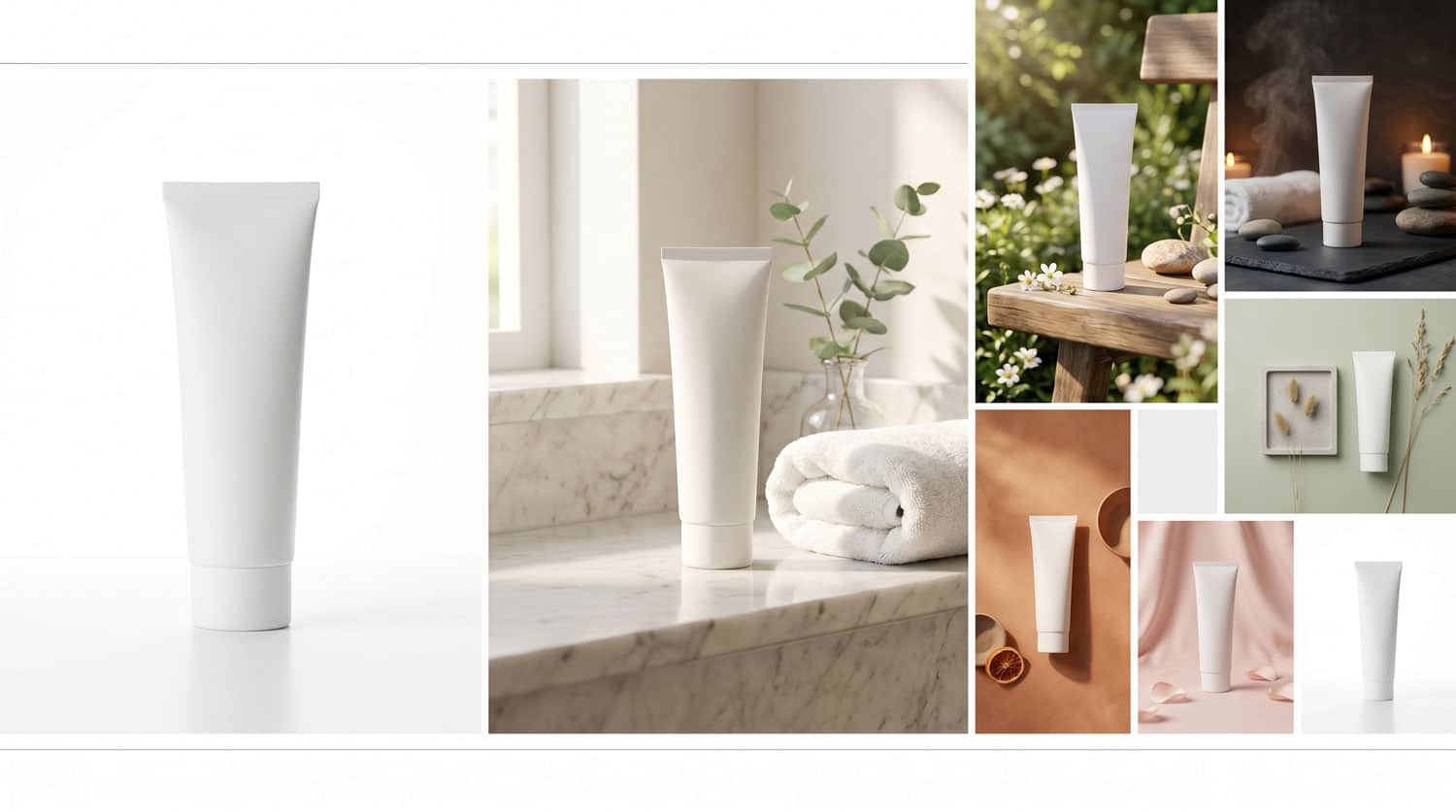
Fragrance and beauty brand — product variant library: A fragrance brand with multiple scent variants required consistent imagery across an expanding range. Rather than booking individual studio sessions for each new variant, AI-enhanced production from a single hero shoot allowed new product colourways and packaging variants to be added to the library without additional shoot days — reducing the per-variant cost from approximately £120 to under £20.
These outcomes are not exceptional results — they are typical of what a well-briefed hybrid project delivers. The brands achieving the best returns are those that plan the split between studio and AI production at the brief stage, rather than trying to retrofit AI tools onto an existing traditional photography workflow.
What Affects AI Product Photography Cost in the UK
Product Type and Category
Reflective products — glassware, jewellery, watches, transparent packaging — need specialist studio lighting and sit at the higher end of photography cost. AI enhancement for these products also requires more detailed prompting and refinement to maintain accuracy. The table below shows how product category typically affects per-image cost in a hybrid workflow.
| Product Category | Relative Complexity | Typical Hybrid Cost Per Image |
|---|---|---|
| Rigid packaging (cosmetics, supplements, food) | Low–Medium | £12–£30 |
| Apparel and soft goods | Medium | £18–£45 |
| Homeware and gifting | Low–Medium | £10–£28 |
| Jewellery and watches | High | £35–£80 |
| Glassware and ceramics | High | £30–£70 |
| Electronics and tech accessories | Medium–High | £25–£60 |
Catalogue Size and Volume
Volume pricing applies to both the studio and AI components of a hybrid project. Brands planning significant catalogue refreshes benefit from commissioning larger projects rather than a series of smaller batches. A 100-SKU project will always have a lower cost per image than four separate 25-SKU projects. If a full catalogue refresh is planned within 12 months, discussing an annual programme upfront typically delivers better pricing than booking shoot by shoot.
Turnaround Time
Standard turnaround for a UK hybrid photography project runs between two and four weeks from shoot date to final image delivery. Rush turnarounds — sometimes as fast as 48 hours for AI-generated variants from existing photography — are available from studios with established AI-enhanced workflows. Rush projects typically carry a premium of 20–40% on the standard rate, though this varies by studio and project complexity.
Image Usage and Rights
Most e-commerce product photography in the UK is sold with broad digital usage rights covering the major platforms: Amazon UK, Shopify, social media, and the brand’s own website. Extended rights for above-the-line advertising, broadcast use, or international licensing may require separate agreements and additional fees. Confirming intended usage upfront — before the shoot, not after — avoids unexpected costs and disputes at the delivery stage.
How to Budget for AI Product Photography in the UK
The right budget depends primarily on catalogue size and image complexity. The table below gives a realistic starting point for UK e-commerce brands planning a hybrid photography project.
| Catalogue Size | Typical Budget | What’s Included |
|---|---|---|
| Small (under 30 SKUs) | £1,500–£4,000 | Hero photography, basic AI variants, file prep |
| Mid-size (30–100 SKUs) | £4,000–£12,000 | Hero photography, AI variants, lifestyle compositing |
| Large (100+ SKUs) | £12,000–£40,000+ p.a. | Regular studio sessions, full AI variant programme |
These figures assume a professional UK regional studio working with an AI-enhanced workflow. London-based studios will typically sit 20–40% above these ranges. All figures exclude VAT.
Getting the Most From Your Photography Budget
Several practical steps help UK brands maximise the return on their photography investment:
- Brief thoroughly before booking — the clearer the shot list and usage requirements going in, the less time is wasted on the day
- Consolidate SKUs into a single project where possible — per-image cost drops significantly at volume
- Prioritise hero shots for studio time — AI handles variants and seasonal backgrounds far more cost-effectively than reshooting
- Ask studios for an itemised quote — headline figures rarely include every line item
- Confirm VAT status upfront — not all studios quote inclusive of VAT
Is AI Product Photography Worth the Cost for UK Brands?
The honest answer is: it depends entirely on how it is implemented. AI-only tools are cheap but have a clear quality ceiling. Traditional photography produces excellent results but at a cost and lead time that limits scale. The hybrid model sits in the middle — and for the majority of UK e-commerce brands managing catalogues of more than 20 SKUs, it typically represents the best cost-per-useful-image of the three options.
The brands achieving the best results are not those that have abandoned professional photography in favour of AI tools. They are the ones that have identified which images genuinely require studio expertise — hero shots, detailed product close-ups, first-to-market launches — and reserved their photography budget for those, while using AI to handle seasonal variants, background swaps, and platform-specific adaptations at scale.
From a conversion standpoint, the business case is clear. Shopify UK’s product photography guidance consistently identifies image quality as one of the primary factors in online purchase decisions. For Amazon UK sellers specifically, main image quality directly affects click-through rate from search results — a metric that compounds over time. Investing in professional hybrid photography is not purely a cost decision; it is a customer acquisition decision.
The question for UK brands is not whether to invest in product photography, but how to invest most effectively — and that is where the hybrid model delivers its clearest advantage.
Questions to Ask Before Committing to a UK Photography Studio
Choosing a photography studio for a significant product catalogue is a meaningful business decision. Before committing, these questions will clarify what is actually included and help avoid costly surprises.
Pricing and Inclusions
What is included in your per-image rate? Confirm whether the rate includes retouching, colour correction, file formatting for each platform (Amazon, Shopify, social), and background removal. Studios that exclude post-production from their headline rate often deliver a lower final image count than expected once retouching time is costed.
Do you offer AI-enhanced variant generation? Studios with AI-integrated workflows can deliver significantly more images from the same shoot day. If variant generation — background swaps, colour variants, lifestyle compositing — is relevant to your brief, confirm whether the studio handles this in-house or subcontracts it.
Do your prices include VAT? Not all studio quotes include VAT. A £5,000 quote exclusive of VAT becomes £6,000 once tax is added. Always confirm before comparing quotes from different providers.
Logistics and Turnaround
What is your typical turnaround time? For seasonal businesses — fashion, gifts, homeware — turnaround is often as important as cost. Confirm the number of working days from shoot completion to final file delivery, and whether rush options are available and at what premium.
Can you supply images formatted for Amazon UK, Shopify, and social media? Format and specification requirements differ across platforms. Amazon UK has specific requirements for main image backgrounds and minimum pixel dimensions. Confirm the studio delivers to platform spec rather than leaving format conversion to you.
What happens if products arrive damaged or the brief changes? Reshoot policies vary considerably. Some studios include one round of amends or reshoots within their quoted rate; others charge the full session rate again. Understand the policy before signing off on a quote.
Get a Quote for AI-Enhanced Product Photography
Products Photography UK works with UK e-commerce brands, Amazon sellers, and fashion businesses to develop cost-effective hybrid photography strategies — combining professional studio shooting with AI-enhanced image production to deliver more images, faster, at a lower cost per image than a fully traditional approach.
The studio provides transparent, itemised quotes with no hidden charges and confirms VAT status upfront. Turnaround times, platform formatting, and AI variant options are all covered in the initial brief. Based in the West Midlands, the studio serves clients across the UK.
Request a free quote today — outline the product type, catalogue size, and intended use, and the team will provide a detailed breakdown within 48 hours.
Frequently Asked Questions About AI Product Photography Cost in the UK
How much does AI product photography cost per image in the UK?
AI product photography cost per image varies significantly depending on the approach. AI-only tool subscriptions can bring the effective cost below £1 per image for high-volume users. Professional studio photography with AI enhancement typically costs £12–£80 per final image, depending on product complexity and volume. Standalone traditional studio photography runs £10–£150 per image. For most UK brands, a hybrid approach delivers the best cost-per-useful-image ratio because it multiplies the output from each studio day.
Is AI product photography cheaper than traditional studio photography?
AI-only tools are cheaper on a per-image basis, but the comparison is misleading without considering image quality and how those images actually perform. The hybrid model typically costs 30–50% less than a fully traditional approach while delivering two to three times more usable images from the same budget. For brands prioritising both quality and scale, hybrid is the more cost-effective solution in practice.
What is included in a typical AI-enhanced photography package?
A typical UK hybrid photography package includes a professional studio shoot covering hero images, followed by AI-enhanced production to generate background variants, lifestyle composites, colour variants, and social media adaptations. Post-production and file preparation for relevant platforms are generally included. Always request an itemised breakdown and confirm what is and is not included before approving a quote — particularly around model fees, prop costs, and retouching.
How long does AI product photography take compared to traditional shoots?
A hybrid project for a 50-SKU catalogue typically takes two to four weeks from shoot date to final delivery. Rush turnarounds of 48–72 hours are available from studios with established AI workflows, particularly for variant generation from existing photography. Rush projects typically carry a 20–40% premium on the standard rate. Traditional studio projects for comparable catalogues typically run four to ten weeks end to end.
Do I need to provide existing product photography to use AI-enhanced services?
Not necessarily. If existing photography is professionally shot with controlled lighting and clean backgrounds, it can often serve as the foundation for AI-enhanced variant generation. A reputable UK studio will assess existing imagery honestly and advise on whether it is suitable or whether a fresh studio shoot would deliver better results. Poorly lit or low-resolution originals rarely produce consistent AI outputs regardless of how sophisticated the platform.
How does AI product photography cost compare to hiring an in-house photographer?
An in-house photographer based in the UK typically costs £28,000–£40,000 per year in salary, plus equipment, software licences, and studio space. For most UK e-commerce brands, commissioning a studio on a project or retainer basis delivers better value: access to more sophisticated workflows, no fixed overhead, and the flexibility to scale up or down with catalogue demands. Brands with very high ongoing volume — daily launches, large seasonal refreshes — may find an in-house option viable, but for the majority, agency or studio commissioning is the more cost-effective model.
What types of products are least suited to AI-only photography?
Products with complex reflective surfaces — glass, polished metal, watches, jewellery — require specialist studio lighting and are not well served by AI-only generation. Textured materials — leather, knitwear, velvet — similarly depend on real photography to render accurately. Products where colour accuracy is critical, such as paint, fabric, cosmetics, and food, also require professional photography as the foundation. In all of these cases, AI can enhance and extend real photography, but it cannot replace it.
Are there any hidden costs in AI product photography services?
The most common sources of unexpected cost include model fees, prop sourcing and styling charges, extended usage rights for advertising campaigns, rush fees, and advanced retouching. Always request a fully itemised breakdown before approving a quote, confirm whether VAT is included, and clarify the reshoot policy. Studios with transparent pricing will provide all of this upfront without being asked.
Can AI product photography be used for Amazon UK listings?
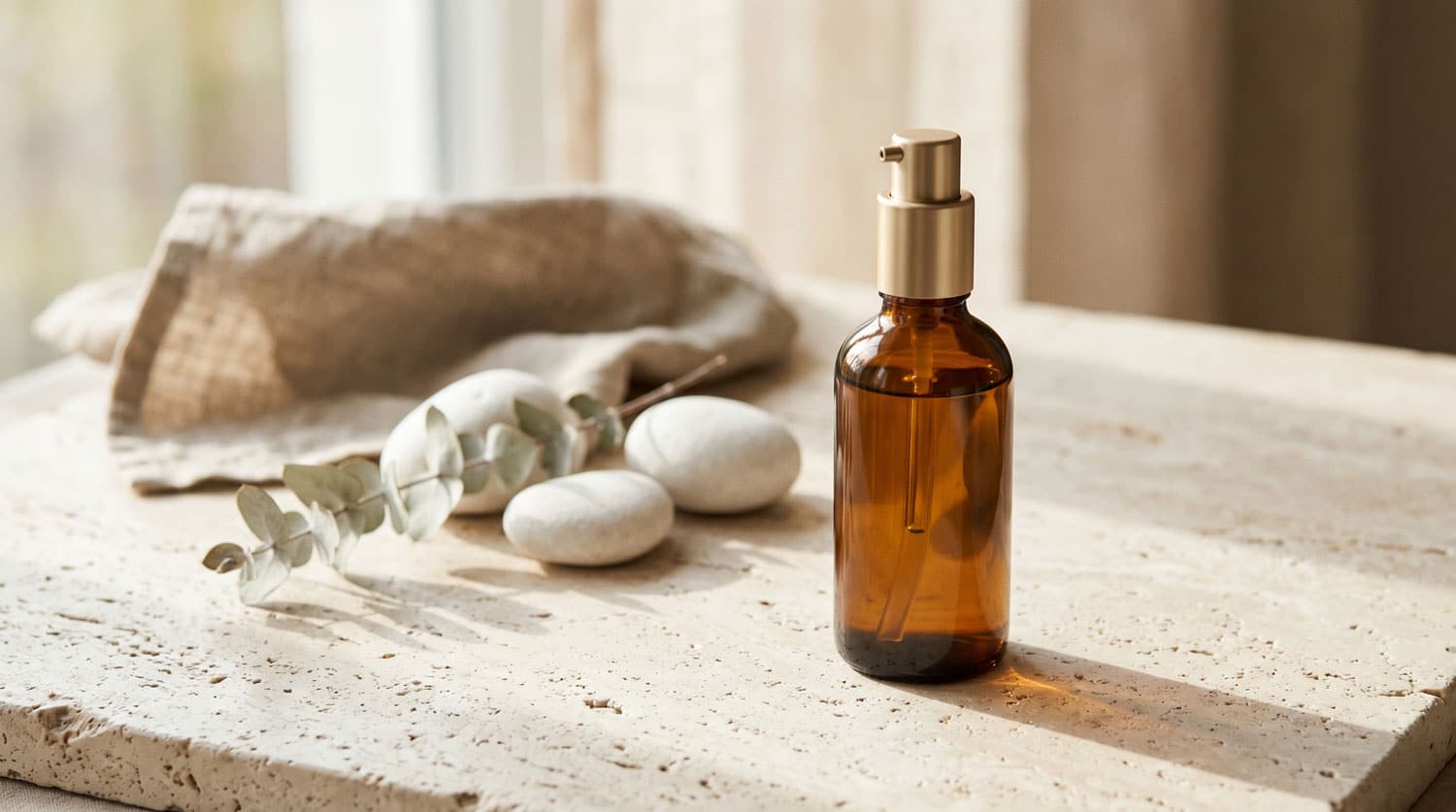
Yes — AI-enhanced product photography can be used for Amazon UK listings, provided the main image meets Amazon’s technical requirements: pure white background (RGB 255, 255, 255), product filling at least 85% of the frame, no additional text or graphics on the main image. AI-generated lifestyle and context images are fully permitted for secondary images, A+ Content, and Brand Story modules. Where AI has been used to generate backgrounds or scenes for secondary images, Amazon does not require disclosure. The key requirement is accuracy — the AI-enhanced imagery must accurately represent the physical product without misleading customers about size, colour, or features.
What is the difference between AI product photography and AI image generation?
AI image generation creates an image entirely from a text or image prompt — no physical product photography is involved. AI product photography, as offered by hybrid studios like PPUK, uses a professionally photographed product image as the source and applies AI to extend, enhance, or adapt that image. The distinction matters because fully AI-generated product imagery carries accuracy risks (the AI may not accurately represent the real product’s colour, texture, or finish), whereas AI-enhanced photography using a real product shoot as the foundation maintains accuracy while gaining the scale and cost benefits of AI production.
How does AI product photography affect image quality compared to traditional photography?
When implemented correctly — using a professional studio shoot as the foundation — AI-enhanced product photography is indistinguishable in quality from fully traditional photography for most e-commerce applications. The quality gap between AI-only tools (operating without professional photography as the base) and traditional photography is significant and visible. The hybrid model closes that gap by combining professional photographic quality at the hero image level with AI efficiency at the variant and adaptation level. For high-end positioning, jewellery, fashion, or premium beauty brands, professional photography as the foundation is not optional — it determines the quality ceiling of everything the AI produces from it.
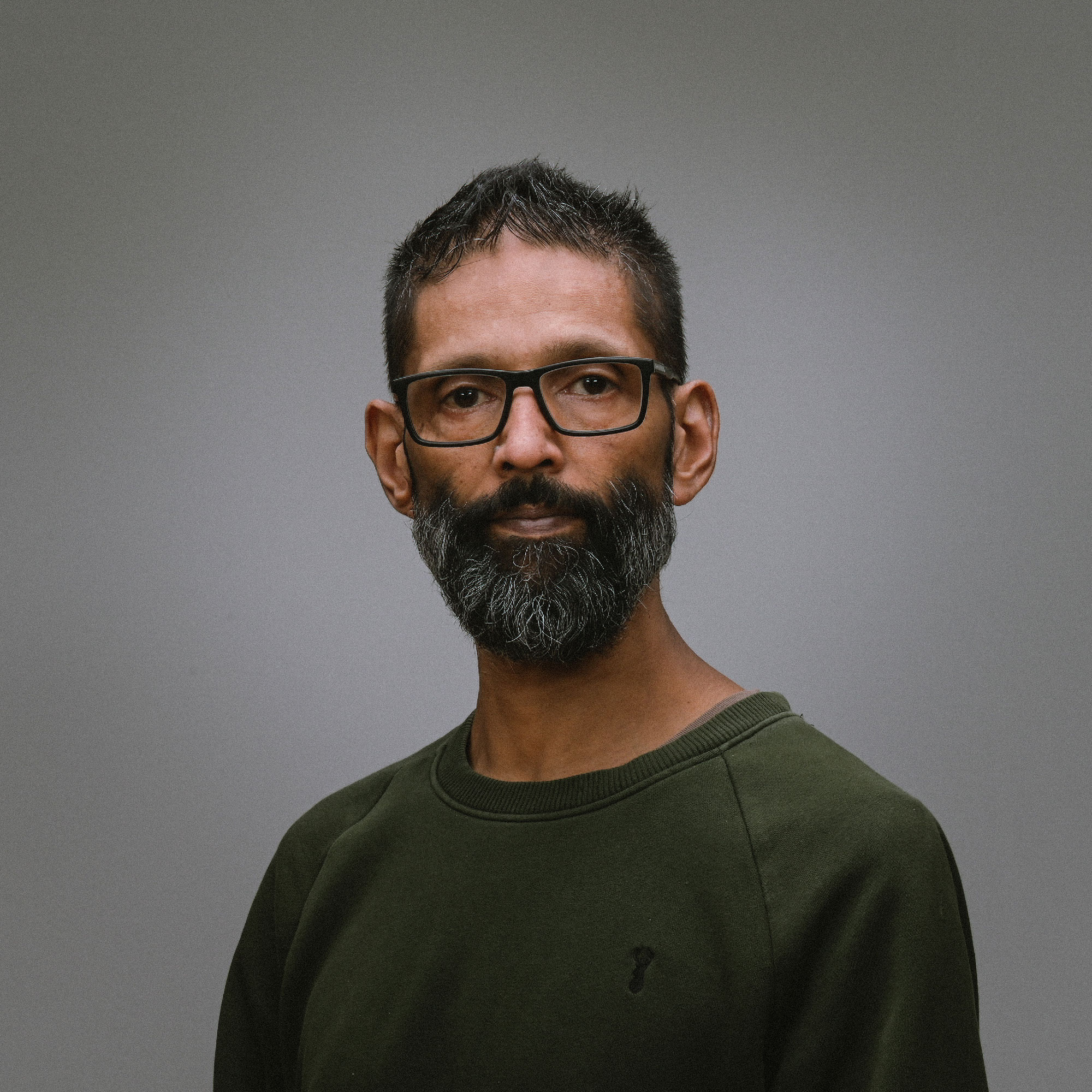
Written by Dee Patel
Dee Patel is the founder of Products Photography UK, a West Midlands studio specialising in professional product photography and AI-enhanced imaging. With 16 years of commercial photography experience, Dee works with UK e-commerce brands, Amazon sellers, and B2B businesses across fashion, cosmetics, supplements, and more. Read Dee’s full profile →
Recent Comments