
Product Video: A Guide for E-commerce

In today’s digital marketplace, product videos for e-commerce have become essential for online success. Whether you’re selling on Amazon, Shopify or your own website, professional e-commerce product videos are transforming how customers interact with products online. Recent studies show that 84% of consumers make purchasing decisions after watching a product video, making video content crucial for modern e-commerce success.
The latest E-commerce Visual Trends Report reveals that product video creation tops the list of must-have content for online retailers in 2025. With global e-commerce sales surpassing £6 trillion, businesses investing in professional product videos are seeing remarkable results. Leading platforms report that e-commerce product video content can boost conversion rates by up to 60%.
Creating effective product videos for online shops isn’t just about showcasing your items – it’s about building trust and confidence in your brand. Whilst 93% of shoppers review product images before making a purchase, video content takes this experience to the next level. In this comprehensive guide, we’ll explore everything from essential kit to advanced techniques for creating compelling e-commerce product videos that drive sales.
Key Takeaways
• Video content is dominating e-commerce visual trends
• 84% of consumers are influenced by product videos
• Global e-commerce sales exceeded $5.4 trillion in 2022
• High-quality visuals can increase conversion rates by up to 60%
• 93% of buyers prioritise product images in their decision-making
• Effective visual merchandising builds consumer trust
• Video product photography is essential for modern e-commerce success
The Evolution of E-commerce Product Photography
The journey of e-commerce product photography mirrors the remarkable transformation of online shopping itself. From basic catalogue-style images to today’s dynamic video content, this evolution has fundamentally changed how consumers interact with products online. Recent studies show that 83% of UK shoppers rate product visuals as the most influential factor in their purchasing decisions.
From Stills to Digital
In the early days of e-commerce, product photography was limited to simple, static images – often just one or two shots per item. The mid-2000s marked a revolutionary shift with the introduction of rich media capabilities. This new technology enabled features like:
• High-resolution zoom functionality
• 360-degree product rotation
• Multiple angle views
• Detailed texture shots
The advancement in lighting technology, particularly dimmable LED systems and sophisticated diffusion techniques, transformed studio capabilities. These innovations provided photographers with unprecedented control over:
• Colour temperature accuracy
• Shadow detail
• Highlight management
• Consistent product representation
The Rise of Video Content
As broadband speeds increased and mobile technology advanced, the 2010s witnessed a dramatic surge in video content adoption. According to recent market research:
• 73% of consumers are more likely to purchase after watching a product video
• Mobile video consumption rises by 100% annually
• Product videos can increase conversion rates by up to 85%
This shift towards interactive video content has revolutionised online shopping by:
• Creating immersive product experiences
• Demonstrating product functionality clearly
• Building stronger brand connections
• Reducing return rates through better product understanding
Current Market Statistics and Trends
Today’s e-commerce photography landscape is evolving at an unprecedented pace. Leading brands are pioneering new approaches:
Visual Innovation:
• Creative angle shooting techniques
• Dynamic motion-based photography
• Lifestyle integration
• Authentic, user-generated content integration
Technological Advancements:
• AI-powered image enhancement
• Automated photo editing workflows
• Real-time rendering capabilities
• Advanced colour management systems
Market Impact:
• 94% of UK online retailers report increased conversion rates with enhanced visuals
• Mobile-first photography approaches show 65% better engagement
• Video content drives 157% increase in organic traffic from search engines
Fashion and lifestyle brands like Zara have revolutionised product presentation through:
• Editorial-style photography
• Dynamic video lookbooks
• Interactive shopping experiences
• Seasonal narrative campaigns
Artificial Intelligence is reshaping post-production:
• Automated background removal
• Instant colour correction
• Smart cropping and resizing
• Batch processing capabilities
This continuous evolution in e-commerce photography reflects broader changes in consumer behaviour and technological capabilities, setting new standards for online visual merchandising.
| Year | Key Development | Impact on E-commerce |
| Mid-2000s | Introduction of rich media | Enhanced user experience with interactive features |
| 2010s | Adoption of Color Rendering Index (CRI) | Improved color accuracy in product representation |
| 2020 | Widespread use of automated photo studios | Increased accessibility for businesses of all sizes |
E-commerce is growing fast, with sales expected to hit £4.3 trillion in 2022. Good product photos and videos are key. They help build trust and drive sales in the online world.
Level Up Your E-commerce Product Videos: The Essential Gear
Creating compelling product videos for e-commerce requires the right equipment. While a professional studio setup can be extensive, you can achieve excellent results with a budget-conscious approach, especially when starting. Here’s a breakdown of essential gear and some current recommendations, with a focus on UK retailers:
Cameras: The Heart of Your Video
The camera you choose depends on your budget and needs. Here are a few options, keeping in mind that camera technology evolves rapidly, so it’s always good to check for the latest models within your budget:
-
Entry-Level (Great for Beginners):
- Canon EOS Rebel SL3 / EOS 250D
- Sony a6100 (Check for current availability)
-
Mid-Range (Stepping Up):
- Sony a6400: (Check for current availability)
- Fujifilm X-S10
-
Advanced/Professional (For Higher Budgets):
Retailers for Cameras and Equipment (UK):
- Park Cameras
- Wex Photo Video
- Jessops
- Amazon UK (For comparing prices and finding a wide range of products)
(The rest of the article about Lenses, Lighting, etc., remains the same as the previous response, as those sections were already well-written and relevant. Just use the UK retailers listed above when linking to specific products.)
By using these UK-based links, you’ll provide your readers with more relevant and accessible resources for purchasing their video equipment. Remember to always check for the latest models and pricing before making recommendations.
Product Video for E-commerce: Core Principles
E-commerce video marketing is key in today’s digital world. The right video can really help sell more and make your brand known. As Shopify points out in their comprehensive guide to product video, a well-executed video strategy is crucial for success in the competitive online marketplace.
Understanding Video Marketing Strategy
A good video marketing plan is vital for e-commerce success. Research shows 84% of people are more likely to buy after seeing a video. This highlights the need for video in your marketing.
Creating Engaging Visual Content
Product storytelling is central to good visual content. By showing what your product does and its benefits, you can get up to 80% more engagement. High-quality visuals let customers see the product up close, understand how it works, and imagine using it.
Technical Requirements and Specifications
When making product videos, think about the tech details like resolution, frame rates, and file formats. These affect how well your video works on different e-commerce sites and social media. Making your videos work well on various platforms helps you reach more people and get more engagement.
| Video Type | Conversion Rate Increase | Consumer Trust Impact |
| Explainer Videos | Up to 80% | 55% increase |
| Product Demos | Up to 50% | 70% increase |
| Customer Testimonials | Up to 30% | 85% increase |
Following these key principles helps you make videos that grab attention, build trust, and increase your e-commerce sales.
Studio Setup and Lighting Techniques: Creating a Professional Look

Setting up your studio effectively is crucial for producing high-quality product videos that drive sales and enhance customer satisfaction. A well-planned setup, with careful attention to lighting and composition, can significantly elevate your videos and create a professional impression.
Natural vs. Artificial Lighting: Choosing the Right Approach
The choice between natural and artificial lighting depends on your specific needs and the type of product you’re showcasing.
-
Natural Light: Natural light offers a soft, diffused quality that’s often ideal for products like clothing, food, and organic materials. It can create a warm and inviting atmosphere. However, natural light is inconsistent and dependent on weather conditions and time of day, making it challenging to maintain a consistent look across multiple videos or filming sessions.
-
Artificial Light: Artificial lighting provides consistent and controllable illumination, allowing you to create the exact look you want, regardless of external conditions. This is particularly important for maintaining consistency throughout your product video catalog and for shooting videos year-round. For products like electronics, jewelry, or items with reflective surfaces, artificial light offers the precision needed to highlight details and minimize unwanted reflections.
Lighting Techniques and Equipment:
Here’s a breakdown of common lighting types and their applications:
| Lighting Type | Advantages | Best Used For |
|---|---|---|
| Softboxes | Diffused, even light, minimizes harsh shadows | Clothing, larger products, creating a flattering look |
| LED Panels | Controllable brightness and color temperature, energy-efficient | Electronics, jewellery, close-ups, situations where precise control is needed |
| Umbrellas | Affordable, creates soft, diffused light | General product lighting, fill light |
| Reflectors/Bounce Cards | Used to bounce light, fill shadows, and control contrast | All product types, essential for shaping light and reducing harshness |
Background Selection and Setup: Keeping the Focus on Your Product
The background plays a vital role in product videos. A clean, uncluttered background allows the product to stand out and minimizes distractions.
• Neutral Backgrounds: White, grey, or off-white backgrounds are popular choices as they provide a neutral canvas that complements most products.
• Coloured Backgrounds: Consider using colours that align with your brand or complement the product’s colour palette. Be mindful of colour clashes and ensure the background doesn’t overpower the product.
• Seamless Paper: Seamless paper rolls provide a smooth, continuous backdrop, eliminating wrinkles and creases.
• Light Tents: Light tents create a controlled, enclosed environment for shooting small products, providing even illumination and minimising reflections.
Equipment Positioning: The Art of Composition
Strategic equipment placement is crucial for creating visually appealing videos.
• Key Light: The key light is your primary light source, typically placed at a 45-degree angle to the product to create depth and dimension.
• Fill Light: A fill light is used to soften shadows created by the key light, providing more even illumination. It’s often placed on the opposite side of the key light.
• Backlight (Rim Light): A backlight separates the product from the background, adding definition and creating a more professional look.
• Camera Angle: Experiment with different camera angles (eye level, high-angle, low-angle) to showcase the product from various perspectives and highlight its key features.
Experimentation and Refinement:
Remember that experimentation is key to finding the lighting and composition that best showcases your products and aligns with your brand aesthetic. Don’t be afraid to try different setups, angles, and lighting techniques to discover what works best for you. Continuously analyze your videos and seek feedback to refine your approach and improve the quality of your content.
Types of Product Videos for Online Stores
Product videography has changed e-commerce, showing items in new ways. Online product demos are key for businesses wanting to sell more and connect with customers.
• 360-degree views: These videos give a full view of products from every side.
• Unboxing videos: They create excitement and show what to expect when it arrives.
• How-to guides: These videos teach how to use and get the most from a product.
• Lifestyle videos: They show products in everyday life, helping customers imagine owning them.
Shoppable videos are becoming popular, letting viewers buy right from the video. This mix of content and shopping makes buying easier and more fun.
| Video Type | Usage in 2023 | Key Benefit |
| Explainer Videos | 38% of businesses | Clarifies product features |
| Product Demos | 32% of businesses | Shows product in action |
| Testimonials | 39% of marketers | Builds trust and credibility |
Interestingly, 73% of consumers say they’re more likely to buy after watching explanatory videos. This shows how powerful product videos are in selling and engaging customers.
“Videos help people understand products better, and this understanding leads to more buying.”
As tech gets better, we’re seeing new trends like AR and VR changing how we show products online. These new ways make shopping even more exciting and real.
Optimising Video Content for Different Platforms
In the world of e-commerce video marketing, it’s key to tailor content for different platforms. With 89% of consumers influenced by videos to make purchases, it’s vital to optimise your strategy.
Social Media Requirements
Social media platforms have their own rules for video content. Instagram likes short, eye-catching videos, with 88.6% of users watching reels in full. To get more views, tag your product videos in reels to boost reach by up to 892%. On Facebook, longer videos work well, perfect for detailed product demos.
E-commerce Platform Guidelines
E-commerce sites like Shopify and Amazon have specific video requirements. Make sure your videos are high-quality and informative, as 91% of online shoppers expect it. Embedding optimised videos on product pages can really boost customer engagement.
Mobile Optimisation Strategies
With 78% of people shopping on mobile, it’s key to optimise videos for small screens. Here are some tips:
• Use lower resolutions (e.g., 720p) for faster loading times
• Keep videos short and focused to keep viewers engaged
• Include closed captions, as 85% of videos are watched without sound
• Compress videos using codecs like H.265 to reduce file sizes
By following these tips, you can make video content that works well across platforms. This will boost your multimedia commerce efforts and drive sales through engaging, interactive product videos.
| Platform | Video Requirement | User Engagement |
| Short, eye-catching reels | 88.6% watch full reels | |
| Longer, detailed videos | Higher dwell time | |
| E-commerce sites | High-quality product videos | 91% expect top-notch content |
| Mobile devices | Optimised for small screens | 78% shop on mobile |
Post-Production and Editing Best Practices: Polishing Your Product Videos
Creating a product video for e-commerce doesn’t end with filming. Post-production is where your raw footage is transformed into a polished, engaging marketing asset. Effective editing is essential for maximizing the impact of your videos and driving conversions. Let’s explore some best practices to elevate your e-commerce videos:
Video Editing Software Options: Choosing the Right Tool
Selecting the appropriate video editing software is crucial. The best choice depends on your experience level, budget, and the complexity of your editing needs.
-
Beginner-Friendly:
- CapCut: https://www.capcut.com/ (Mobile and Desktop) – CapCut is a user-friendly option, particularly popular for mobile editing and creating content for social media. It offers a good balance of features and ease of use.
- iMovie (Mac): https://www.apple.com/imovie/ – iMovie is a free, pre-installed option for Mac users. It’s a great starting point for basic video editing.
- DaVinci Resolve (Free Version): https://www.blackmagicdesign.com/products/davinciresolve – While DaVinci Resolve also has a professional paid version, its free version offers surprisingly powerful editing tools, making it a great option for those wanting to learn more advanced techniques without a large initial investment.
-
Professional/Advanced:
- Adobe Premiere Pro: https://www.adobe.com/uk/creativecloud/plans.html – Premiere Pro is an industry-standard editing software, offering a comprehensive suite of tools for professional video editing. It’s ideal for complex projects and those requiring advanced features.
- Final Cut Pro (Mac): https://www.apple.com/final-cut-pro/ – Final Cut Pro is a powerful editing software designed specifically for Mac users. It’s known for its speed and efficiency.
- DaVinci Resolve (Paid Version): https://www.blackmagicdesign.com/products/davinciresolve – The paid version of DaVinci Resolve unlocks even more advanced features, including colour grading tools that are considered among the best in the industry.
Colour Correction and Grading: Ensuring Visual Consistency
Colour correction and grading are essential for creating visually appealing and professional-looking videos.
• Colour Correction: This process involves adjusting the colours in your footage to ensure accuracy and consistency. It addresses issues like white balance, exposure, and contrast.
• Colour Grading: Colour grading is a more stylistic process, where you manipulate the colours to create a specific mood or aesthetic. It helps to enhance the visual impact of your videos and create a cohesive brand look.
Most editing software includes tools for both colour correction and grading.
File Format and Export Settings: Optimizing for Distribution
Choosing the correct file format and export settings is crucial for video quality and playback performance.
• File Format: Common video formats include MP4, MOV, and AVI. MP4 is generally the most widely supported format for online video.
• Resolution and Frame Rate: Choose a resolution and frame rate that is appropriate for your target platform and audience. 1080p (Full HD) is a good standard for most e-commerce videos. 30fps is a standard frame rate.
• Compression: Compressing your video reduces the file size, making it easier to upload and stream. However, excessive compression can negatively impact video quality. Experiment to find a good balance.
• Platform-Specific Settings: Different platforms (e.g., YouTube, Vimeo, your e-commerce platform) may have recommended or optimal export settings. Consult their documentation for best practices.
Key Editing Techniques and Best Practices:
| Editing Aspect | Best Practice |
|---|---|
| Close-up Shots | Incorporate close-ups to showcase unique product features, textures, and details. |
| Stabilisation | Use built-in stabilization features or dedicated stabilization tools to smooth out shaky footage. |
| Pacing and Flow | Maintain a dynamic and engaging pace. Vary shot lengths and use transitions effectively to keep viewers interested. |
| Captions and Subtitles | Add captions and subtitles to make your videos accessible to a wider audience, including those watching without sound. |
| Music and Sound Effects | Use music and sound effects to enhance the mood and create a more immersive viewing experience. Ensure you have the rights to use any audio you include. |
| Call to Action | Include a clear call to action at the end of your video, encouraging viewers to visit your website, browse products, or make a purchase. |
| Performance Tracking | Monitor key metrics like views, likes, comments, shares, and conversions to assess the effectiveness of your videos and identify areas for improvement. Use analytics tools provided by your hosting platform (e.g., YouTube Analytics, Vimeo Analytics) and your e-commerce platform. |
Remember, a well-edited video can significantly impact customer engagement and purchasing decisions. By following these post-production best practices, you can create compelling product videos that drive sales and enhance your brand image.
Measuring Video Content Performance
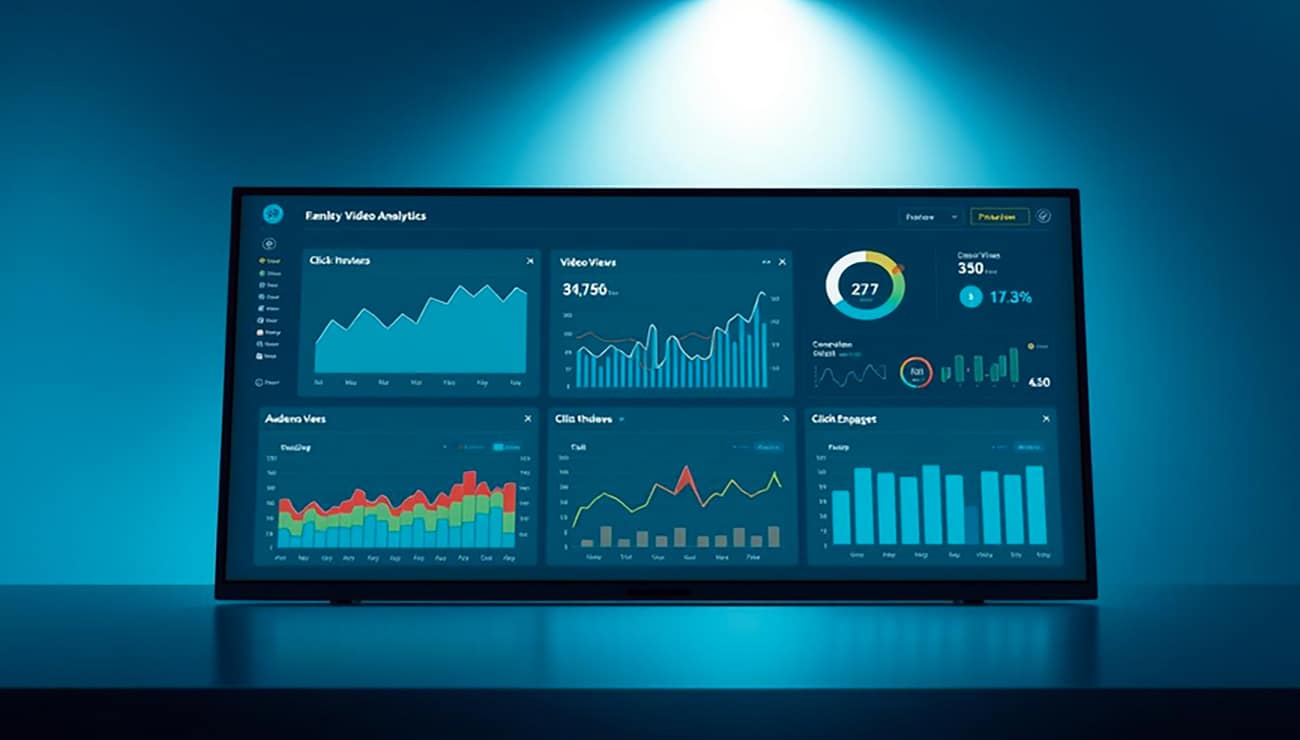
In the world of e-commerce video marketing, knowing how well your videos perform is key. By looking at important metrics, businesses can make their strategies better and get more value from their efforts.
View count is a basic metric, but it means different things on different platforms. YouTube counts a view after 30 seconds, while Facebook and Instagram do it after 3 seconds. Twitter and LinkedIn need 2 seconds with half the video seen.
Engagement rate is also very important. On YouTube, a good rate is between 2% and 5%. This shows how well your content connects with viewers.
Conversion rate is about how many viewers do what you want them to after watching. For e-commerce, this is very important because it helps sell more through videos.
| Platform | View Count Definition | Optimal Video Length |
| YouTube | 30 seconds | 1-3 minutes (product videos) |
| 3 seconds | 15 seconds to 2 minutes | |
| 3 seconds | 15-30 seconds | |
| 2 seconds (50% visible) | 15-30 seconds | |
| 2 seconds (50% visible) | 15 seconds to 2 minutes |
To really see how your e-commerce video marketing is doing, link your video analytics with your CRM. This lets you see how video views affect your sales pipeline and help make more money.
But remember, a good video isn’t just about how many people watch it. A completion rate of 60% or more shows you’ve got a strong connection with your audience. By always checking these numbers, you can keep making your multimedia commerce strategy better and get better results for your e-commerce business.
Common Challenges and Solutions
Creating product videos for e-commerce can be a game-changer, but it’s not without its hurdles. Let’s explore some common challenges and practical solutions to help you navigate the world of product videography.
Technical Issues
Poor video quality and compatibility problems across devices can hinder your product video efforts. Invest in a reliable camera and editing software to ensure high-quality output. Use a platform like SpeedSize to reduce file sizes by up to 99% without compromising quality, improving loading times and search engine rankings.
Budget Constraints
Limited funds shouldn’t stop you from creating engaging product videos for e-commerce. Consider these cost-effective strategies:
• Use smartphones with high-quality cameras for shooting
• Leverage natural lighting instead of expensive studio setups
• Utilise free or low-cost editing software
• Encourage user-generated content to supplement your video library
Quality Control
Maintaining consistent video quality across your product range is key. Establish standardised processes and guidelines for your product videography. Regular training and feedback sessions can help your team improve their skills and maintain high standards.
| Challenge | Solution | Impact |
| Slow loading times | Use file compression tools | 54% increase in user engagement |
| Limited budget | Leverage user-generated content | 30% reduction in content creation costs |
| Inconsistent quality | Implement standardised guidelines | 25% improvement in overall video quality |
By addressing these challenges head-on, you can successfully integrate video into your e-commerce strategy. This will enhance product presentation and drive sales.
Conclusion

Conclusion: The Power of Video in E-commerce
Video product photography has revolutionized the e-commerce landscape, transforming visual merchandising and product storytelling. The impact is undeniable: a staggering 73% of consumers report making a purchase after watching a product video [Source: Wyzowl, “87% of Video Marketers Say Video Has Increased Website Traffic”]. This underscores the immense power of video in driving online sales.
Businesses that embrace video marketing experience significantly faster growth. Studies have shown that companies utilizing video grow their sales 49% faster year over year compared to those who don’t [Source: Aberdeen Group, “The Impact of Video Marketing” – (Note: Aberdeen Group reports are often behind paywalls, so you might need to find a similar statistic from a publicly accessible source. Look for reports on video marketing ROI or sales growth related to video usage)]. This compelling statistic highlights video’s crucial role in modern e-commerce strategies.
The rise of video in e-commerce is a trend that shows no signs of slowing down. Video content has become a dominant format, with a significant percentage of marketers prioritizing video in their strategies [Source: HubSpot, “The State of Video Marketing in 2023”]. While it’s difficult to find one definitive source that says video is the most popular, many reports show its rapid growth and high usage. It’s more accurate to say it’s among the most popular and effective.
This preference is even more pronounced among younger demographics. Generation Z, in particular, demonstrates a strong affinity for branded video content and user-generated video content [Source: Sprout Social, “Gen Z and Social Media: Key Stats and Trends”]. This emphasizes the increasing importance of video for engaging and converting younger consumers.
Looking to the future, video’s influence in e-commerce will only continue to expand. With average weekly online video consumption reaching significant levels [Source: Statista, “Time spent watching digital video content worldwide from 2017 to 2027”
By strategically incorporating video product photography into their marketing efforts, e-commerce businesses can enhance the customer experience, drive engagement, boost conversions, and gain a competitive edge in the increasingly dynamic online marketplace. Embracing video is no longer a luxury—it’s a necessity for success in the modern e-commerce world.
FAQ

Why is video product photography important for e-commerce?
Video product photography is key for e-commerce. It boosts the customer experience and sales. It lets customers see products in action and understand their features better.
Video content helps improve conversion rates and reduce returns. It makes buying decisions easier for customers.
What equipment do I need to start creating product videos?
To start creating product videos, you’ll need a good camera and lenses. You’ll also need lighting, a tripod, and a stabiliser. A green screen, microphones, and editing software are optional but useful.
How do I create engaging product videos?
To make engaging product videos, focus on storytelling. Show your product’s unique features and benefits. Use high-quality visuals and demonstrations.
Keep your videos short and informative. Mix close-up shots, 360-degree views, and lifestyle footage for a full product view.
What are the best lighting techniques for product videos?
The best lighting for product videos depends on your products and desired look. Soft, diffused lighting is often best. You can use natural light or artificial lighting like softboxes.
Three-point lighting (key, fill, and backlight) adds depth and highlights features well.
How long should my product videos be?
The ideal video length varies by platform and purpose. For social media and e-commerce, aim for 15-60 seconds. For detailed tutorials, 2-3 minutes is better.
Always focus on conveying key information quickly to keep viewers engaged.
How can I optimise my product videos for different platforms?
To optimise for different platforms, adjust aspect ratios and lengths. Use platform-specific features like shoppable videos on Instagram. Ensure videos are mobile-friendly.
Add captions for viewers without sound. Compress videos to maintain quality while reducing size.
What are some cost-effective solutions for creating product videos?
Cost-effective solutions include using a smartphone instead of expensive DSLR equipment. Use natural light instead of professional setups. Create a DIY lightbox for small shots.
Free or low-cost video editing software is available. Use user-generated content and customer reviews. Focus on simple, well-executed concepts.
How can I measure the success of my product videos?
Track key performance indicators (KPIs) like view count and engagement. Monitor click-through and conversion rates. Use analytics tools from social media and e-commerce platforms.
Refine your video strategy based on this data to improve success.
What are some emerging trends in e-commerce product videos?
Emerging trends include AR try-on experiences and VR demos. Live shopping events and interactive videos are also popular. User-generated content and AI-powered recommendations are gaining traction.
Vertical video formats are optimised for mobile viewing.
How can I ensure consistency across my product videos?
To ensure consistency, develop a style guide. Use consistent lighting and backgrounds. Maintain a similar format and structure in videos.
Use the same music and ensure colour grading is consistent. Train your team on video production standards. Regularly review and update your strategy.
Why is it important for e-commerce businesses to invest in professional product photography?
Professional product photography is a smart move for e-commerce. It boosts the brand’s image, builds trust, and grows online sales. High-quality images give businesses an edge and bring in more customers.
Let us help you step into the future of image creation.

Written by Dee Patel
Dee Patel is the founder of Products Photography UK, a West Midlands studio specialising in professional product photography and AI-enhanced imaging. With 16 years of commercial photography experience, Dee works with UK e-commerce brands, Amazon sellers, and B2B businesses across fashion, cosmetics, supplements, and more. Read Dee’s full profile →
Recent Comments