
Essential Guide to Hiring Models for E-Commerce Photography: Boost Your Brand’s Appeal in 2024

In the competitive world of e-commerce, creating visually appealing imagery for your online store is crucial. One of the key elements to consider when aiming for stunning visuals is hiring professional models. The right models can bring your products to life, showcasing them in a way that resonates with your target audience and drives sales. In this article, we will explore the top strategies for hiring models in e-commerce photography, equipping you with the knowledge to make informed decisions for your online store.
Key Takeaways
• Hiring professional models is essential for enhancing the visual appeal of your e-commerce store.
• Consider your budget, diversity, and brand representation when hiring models for your e-commerce photography.
• Setting clear objectives and budgeting are crucial components of your model hire strategy.
• Choosing the right models for your brand involves assessing portfolios and ensuring a good fit with your aesthetic and target audience.
• Understanding the legal aspects of hiring models, including contracts and image rights, is essential to protect your brand and the models themselves.
Understanding the Basics of
E-Commerce Model Hire

In this section, we will cover the basics of model hire for e-commerce. We will emphasise the importance of professional models in creating compelling imagery for your e-commerce platform. Additionally, we will discuss key considerations such as budget, diversity, and representation before hiring models for your e-commerce photography.
The Importance of Professional Models in E-Commerce Imagery
When it comes to e-commerce, visuals play a crucial role in capturing the attention of potential customers. Professional models bring a level of expertise and professionalism to your e-commerce imagery that can significantly enhance its visual appeal. Their ability to convey emotions, showcase products, and engage with the audience can make a significant impact on your conversion rates.
Professional models have the skills and experience to pose, express emotions, and highlight the key features of your products effectively. They understand the nuances of body language, facial expressions, and posing techniques that can elevate your e-commerce imagery to a whole new level. By working with professional models, you can create imagery that aligns with your brand’s aesthetics and resonates with your target audience.
In addition, professional models bring a sense of relatability and authenticity to your e-commerce platform. Customers are more likely to connect and trust a brand when they see themselves represented in the visuals. By hiring professional models from diverse backgrounds, you can ensure inclusivity and representation, creating a positive and inclusive brand image.
Key Considerations Before Hiring Models
Before hiring models for your e-commerce photography, there are several key considerations that you should keep in mind:
• Budget: Determine a realistic budget for hiring models that aligns with your overall marketing strategy. Consider the rates for professional models and factor in any additional expenses such as wardrobe, hair, and makeup.
• Diversity: Reflect the diversity of your target audience by hiring models from various ethnicities, cultures, and body types. This will help your brand connect with a wider range of customers and foster inclusivity.
• Representation: Consider your target demographic and ensure that your models represent your customer base. This will create a sense of relatability and help customers envision themselves using your products.
• Professionalism: Look for models who are not only talented but also reliable, punctual, and easy to work with. A professional and positive attitude goes a long way in ensuring a smooth and successful e-commerce photography session.
By carefully considering these factors before hiring models, you can make informed decisions that will contribute to the overall success of your e-commerce photography and positively impact your brand image.
Planning Your Model Hire Strategy
Setting Clear Objectives for Your Photography Session
Setting clear objectives for your photography sessions is essential to ensure that you achieve the desired results. Clearly defining what you hope to accomplish with your e-commerce photography will help guide your model hire strategy and ensure that you are able to effectively communicate your vision to both the models and the rest of your team.
When establishing your photography session objectives, consider the following:
• Product Focus: Determine the key features or selling points of your products that you want to emphasise in the imagery.
• Target Audience: Identify your target audience and understand their preferences, desires, and expectations for visual content.
• Brand Identity: Ensure that the photography sessions align with your brand’s identity and aesthetic, reflecting the values and style of your brand.
By setting clear objectives for your photography sessions, you can effectively communicate your vision to your models, photographers, and the rest of your team, resulting in compelling and impactful e-commerce imagery.
Budgeting for Model Hire: Costs and Considerations
When planning your model hire strategy, it is important to consider the budgeting aspect and fully understand the costs and considerations involved. Here are some key factors to consider:
• Model Fees: Research and determine the appropriate fees for the models you wish to hire, considering factors such as experience, reputation, and demand.
• Additional Expenses: Take into account any additional expenses that may arise, such as travel costs, accommodation, styling, and makeup.
• Quality vs. Quantity: Consider whether it is more advantageous to invest in a small number of high-quality models or a larger group of models that may require more management.
• Long-Term Planning: If you anticipate requiring models for multiple photography sessions, consider negotiating long-term agreements or exploring options for model collaborations to optimise your budget.
By carefully budgeting for model hire, taking into account both the costs and considerations, you can ensure that you make the most of your investment and achieve the desired outcomes for your e-commerce photography.
Finding the Right Models for Your Brand
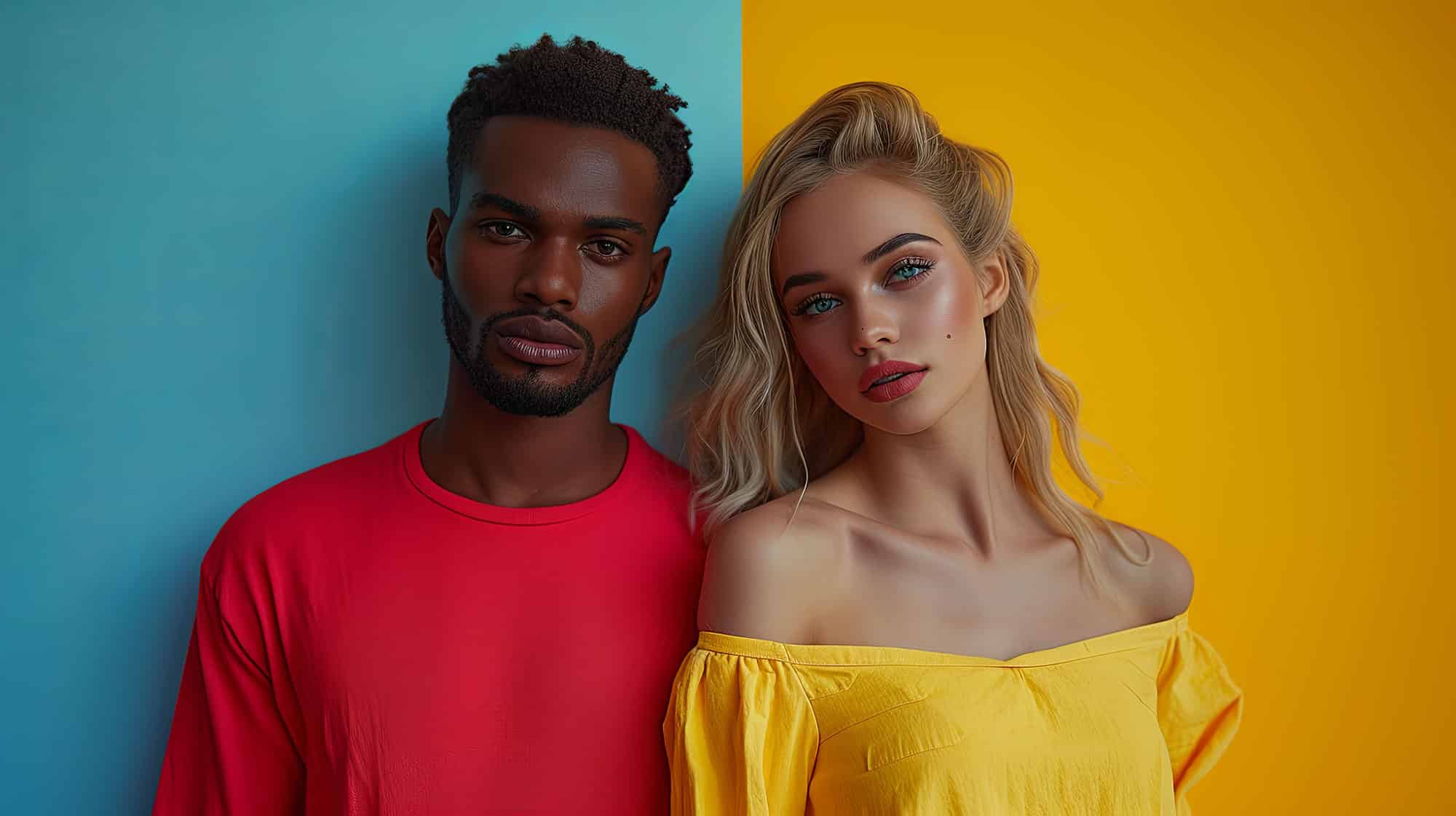
When it comes to e-commerce photography, finding the right models is crucial to create a strong brand image and connect with your target audience. In this section, we will guide you through the process of finding models that align with your brand’s aesthetic and values. We will discuss the advantages and disadvantages of utilising model agencies versus hiring freelance models and explore how to assess model portfolios to ensure the perfect fit for your brand.
Utilising Model Agencies vs. Freelance Models
When searching for models, you have the option to either work with model agencies or hire freelance models. Here are some key points to consider:
• Model Agencies: Model agencies provide a curated selection of models that have already been vetted and trained. They have access to a diverse talent pool, making it easier to find models with different looks and characteristics. Agencies can also assist with contracts, negotiations, and other administrative tasks. However, working with model agencies can be more expensive due to commission fees.
• Freelance Models: Hiring freelance models allows for more direct communication and negotiation. It gives you the freedom to select models based on your specific requirements and creative vision. Freelance models may also offer more flexibility in terms of rates and availability. However, the process of finding and vetting freelance models can be more time-consuming and requires careful attention to portfolios and references.
Assessing Model Portfolios and Fit for Your Brand
When evaluating models for your brand, it is important to assess their portfolios and determine their fit for your brand’s aesthetic and target audience. Here are some key factors to consider:
1 Visual Appeal: Examine the model’s portfolio to see if their look and style align with your brand. Consider factors such as age, ethnicity, body type, and overall image. Look for models that reflect the diversity and inclusivity you want to convey.
2 Experience and Expertise: Take note of the model’s experience in the industry and their previous work. Look for versatility and the ability to portray different emotions or expressions. If you have specific requirements, such as product shots or lifestyle imagery, ensure the model has relevant experience in those areas.
3 Brand Fit: Consider the model’s personality, values, and personal brand. Think about whether their image aligns with your brand’s identity and values. It is important to create a coherent brand story and convey authenticity through the models you choose.
4 Presentation: Look for professionalism and attention to detail in the model’s portfolio. Assess factors such as posing, facial expressions, and overall presentation. Ensure that the model’s style and presentation complement your brand’s desired image.
Pros and Cons of Utilising Model Agencies vs. Hiring Freelance Models
| Model Agencies | Freelance Models |
| Access to a diverse talent pool | Direct communication and negotiation |
| Pre-vetted and trained models | Greater flexibility in rates and availability |
| Assistance with contracts and administrative tasks | More time-consuming search process |
| Higher cost due to commission fees | Requires careful attention to portfolios and references |
By considering the advantages and disadvantages of utilising model agencies versus hiring freelance models, as well as assessing model portfolios and fit for your brand, you can make informed decisions to find the perfect models for your e-commerce photography. These models will help create visually appealing imagery that resonates with your target audience and enhances your brand’s identity.
Legal Aspects of Hiring Models

In the world of e-commerce photography, understanding the legal aspects of hiring models is crucial to ensure a successful and compliant partnership. Navigating contracts and agreements effectively will help establish a mutually beneficial working relationship between you, the brand, and the models you hire. Additionally, comprehending image rights and usage is essential to protect both your brand’s reputation and the rights of the models involved. By prioritising these legal considerations, you can mitigate any potential risks and foster a positive and professional environment for your e-commerce photography endeavours.
Navigating Contracts and Agreements
When hiring models for your e-commerce photography, it is essential to have clear and comprehensive contracts and agreements in place. These legal documents outline the rights, responsibilities, and expectations of both parties involved and serve as a foundation for a successful collaboration. Key elements to include in your contracts or agreements may consist of:
• Scope of work: Clearly define the specific tasks and deliverables expected from the model.
• Compensation: Outline the agreed-upon payment terms, including rates, schedules, and any additional expenses or fees.
• Usage rights: Specify how the images will be used, including the platforms, duration, and any limitations or exclusions.
• Confidentiality and non-disclosure: Protect sensitive information by including provisions that restrict the model from disclosing any trade secrets or confidential information.
• Termination clauses: Establish the conditions under which either party can terminate the agreement, including notice periods and any associated obligations or penalties.
It is highly recommended to seek legal advice or consult with a professional familiar with the laws and regulations governing model hire in your jurisdiction to ensure your contracts and agreements comply with the necessary legal standards.
Understanding Image Rights and Usage
Image rights and usage refer to the legal ownership and permission to use photographs of models in e-commerce contexts. It is crucial to have a clear understanding of image rights to protect both your brand and the models involved. Here are some key considerations:
• Model releases: Obtain written consent from the models, granting you the necessary rights to use their images for specific purposes.
• Usage limitations: Be aware of any restrictions or limitations imposed by the models or their legal representatives, such as exclusivity agreements or usage in specific industries or contexts.
• Copyright and intellectual property: Familiarise yourself with the copyright laws and intellectual property rights governing the use of images in your jurisdiction to avoid any legal disputes.
• Third-party consents: If your e-commerce photography involves other individuals or incorporates copyrighted materials, ensure you have obtained the necessary permissions and licenses to use their likeness or intellectual property.
By understanding and respecting image rights and usage, you can safeguard your brand’s reputation, avoid legal complications, and maintain a positive relationship with the models you hire for your e-commerce photography.
Preparing for the Shoot

Effective Communication with Models and Teams
Preparing for a successful e-commerce photography session involves effective communication with your models and teams. Clear and open communication is essential to align expectations and achieve the desired outcomes. Here are some key strategies to ensure effective communication:
• Clearly communicate your vision: Provide detailed briefs and references to help models and teams understand the style, tone, and aesthetic you want to achieve.
• Encourage feedback and collaboration: Create a comfortable environment where models and teams feel comfortable sharing their ideas and suggestions. This collaborative approach can lead to more creative and impactful results.
• Establish a communication channel: Set up a dedicated communication channel, such as email or a messaging platform, to keep everyone informed about shoot details, changes, and any other important information.
• Be responsive: Promptly address any questions, concerns, or requests from models and teams. Timely responses demonstrate your dedication and professionalism.
Creating a Comfortable Environment for Productive Shoots
In addition to effective communication, creating a comfortable environment during shoots is crucial for productivity and creativity. Consider the following practices:
• Prepare the shooting location: Ensure that the shooting location is clean, organised, and well-stocked with necessary props, clothing, and equipment.
• Provide a dedicated space for models: Designate a dressing area where models can change outfits and prepare for the shoot comfortably.
• Temperature and lighting: Maintain a comfortable temperature and ensure adequate lighting to enhance both the models’ comfort and the quality of the photographs.
• Encourage breaks and refreshments: Schedule regular breaks to allow models and teams to rest, hydrate, and recharge. Offering refreshments can help maintain energy levels and create a positive atmosphere.
• Supportive atmosphere: Foster a positive and supportive atmosphere where models and teams feel encouraged and appreciated. Recognise their efforts and provide constructive feedback to inspire continued creativity.
By effectively communicating with your models and teams and creating a comfortable environment, you can set the stage for productive and successful e-commerce photography sessions.
Maximizing the Impact of Your E-Commerce Photography
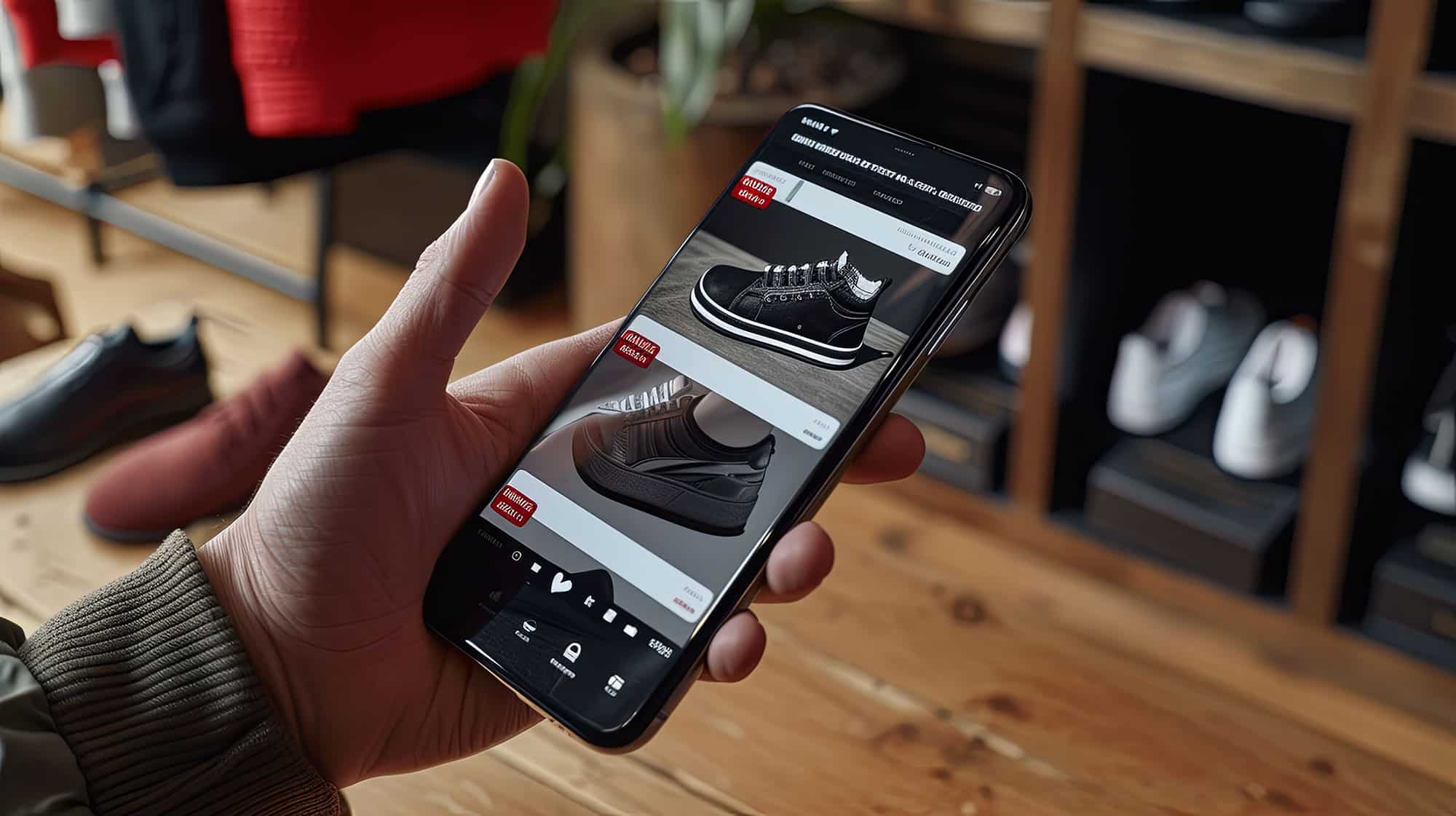
This section aims to help you maximise the impact of your e-commerce photography. Incorporating models into your brand story plays a crucial role in creating a strong connection with your target audience. Additionally, effective post-production techniques and thoughtful image selection can greatly enhance the overall quality of your e-commerce imagery, capturing the attention of potential customers and driving conversions.
Incorporating Models into Your Brand Story
In e-commerce photography, models serve as the face of your brand, bringing your products to life and allowing customers to envision themselves using your offerings. By carefully selecting models that align with your brand’s values and target audience, you can create a narrative that resonates with your customers on a deeper level. Whether it’s showcasing diversity, promoting inclusivity, or embodying a specific lifestyle, incorporating models into your brand story adds authenticity and relatability to your e-commerce imagery.
Tips for Post-Production and Image Selection
Post-production is a crucial step in perfecting your e-commerce photography. By utilising editing software and techniques, you can enhance the visual appeal of your images, making them more appealing to potential customers. Consider adjusting lighting, colours, and contrast to create a cohesive and visually stunning aesthetic. Additionally, paying attention to image selection is essential. Choose images that accurately represent your products, highlight their unique features, and showcase them from different angles.
Remember, e-commerce photography is not just about showcasing products but also about telling a story that resonates with your target audience. By incorporating models into your brand story and investing in post-production and thoughtful image selection, you can elevate the impact of your e-commerce photography and create a visually engaging online shopping experience for your customers.
Leveraging Model Photography Across E-Commerce Platforms
In today’s digital landscape, model photography plays a crucial role in enhancing the visual appeal of e-commerce platforms. By strategically incorporating professional model imagery, you can elevate your online store’s aesthetic and attract more customers. In this section, we will explore the strategies for effectively leveraging model photography across different e-commerce platforms, such as Amazon FBA and Shopify, as well as maximising its impact on social media.
Strategies for Amazon FBA and Shopify Listings
When it comes to selling products on Amazon FBA and Shopify, high-quality imagery is essential to capturing the attention of potential buyers. Here are some strategies to optimise your model photography for these platforms:
1 Create visually engaging product images that highlight the features and benefits of your products, while also showcasing models using them.
2 Ensure that the models represent your target audience and reflect the lifestyle and values associated with your brand.
3 Invest in professional post-production to enhance the overall quality of the images, including retouching and colour correction.
4 Utilise A+ content on Amazon FBA to showcase additional images and provide in-depth product information alongside the model photography.
5 Optimise your Shopify product listings by incorporating model imagery in various sections, such as the product page, homepage, and category pages.
6 Implement effective SEO strategies by using relevant keywords in image alt tags, file names, and product descriptions to improve search engine visibility.
Enhancing Social Media with Professional Model Imagery
In the age of social media, leveraging professional model imagery can significantly enhance your brand’s presence and engagement. Here are some tips to make the most of social media platforms:
• Select models that resonate with your target audience and align with the aesthetic of each social media platform you use.
• Create visually captivating content by incorporating model photography alongside your products, lifestyle shots, and behind-the-scenes glimpses of your brand.
• Utilise Instagram Stories, Facebook Live, or YouTube videos to provide an interactive and authentic experience with your models and products.
• Encourage user-generated content by running campaigns or contests that encourage customers to share their own photos featuring your products and models.
• Collaborate with influencers who align with your brand values and have a strong presence on social media to extend your reach and credibility.
• Maintain an active presence by regularly posting fresh and engaging model photography and leveraging relevant hashtags to attract the attention of your target audience.
By implementing these strategies, you can leverage the power of model photography to optimise your presence on e-commerce platforms like Amazon FBA and Shopify, as well as enhance your social media marketing efforts. Let’s now explore the key takeaways from this article before moving on to the next steps in elevating your e-commerce strategy with model photography.
Conclusion

In conclusion, hiring professional models is key to enhancing the visual appeal of your e-commerce photography and elevating your overall e-commerce strategy. By implementing the top strategies discussed in this article, you can create compelling imagery that resonates with your target audience and drives more sales for your online store.
Recap of Key Takeaways
• Professional models play a crucial role in e-commerce imagery, bringing authenticity and professionalism to your brand.
• Before hiring models, consider factors such as budget, diversity, and how well they align with your brand’s aesthetic and target audience.
• Setting clear objectives for your photography sessions helps ensure you achieve the desired results.
• Proper budgeting and cost considerations are essential to maximise the value of your model hire.
• Utilising model agencies or hiring freelance models both have advantages and disadvantages, so choose the option that best suits your needs.
• Navigate contracts, agreements, and image rights to protect your brand and create a mutually beneficial working relationship with models.
• Effective communication with models and creative teams is vital for a successful e-commerce photography session.
• Incorporating models into your brand story helps create a stronger connection with your target audience.
• Post-production and careful image selection can significantly enhance the impact of your e-commerce photography.
• Leverage model photography across different e-commerce platforms, such as Amazon FBA and Shopify, to boost your online presence.
Next Steps in Elevating Your E-Commerce Strategy with Model Photography
To further enhance your e-commerce strategy with model photography, consider the following next steps:
1 Continue to refine your model hire strategy, adapting it to changing trends and customer preferences.
2 Explore collaborations with influencers or brand ambassadors to expand your reach and credibility.
3 Regularly analyse and optimise the performance of your e-commerce photography to drive better conversions.
4 Stay updated on legal considerations and industry best practices to ensure compliance and protect your brand.
5 Invest in professional post-production and editing to consistently produce high-quality imagery.
6 Experiment with different styles, concepts, and storytelling techniques to keep your e-commerce photography fresh and engaging.
Frequently Asked Questions (FAQs)

Here, we answer some commonly asked questions about hiring professional models for e-commerce photography.
Why is hiring professional models important for e-commerce photography?
Hiring professional models is crucial for e-commerce photography as they bring experience and expertise to the table. Professional models understand how to pose, showcase products effectively, and convey the desired emotions. Their skills help create visually appealing imagery that grabs the attention of your target audience, making your products more desirable and increasing the chances of conversions.
How do I choose the right model for my brand’s e-commerce photography?
Choosing the right model for your brand involves considering several factors. Start by defining your target audience and brand image. Look for models whose look, personality, and style align with your brand’s values and appeal to your target customers. A diverse range of models can also help ensure inclusivity and represent your audience. Additionally, reviewing model portfolios and conducting test shoots can further assist in determining if a model suits your brand’s aesthetic.
What are the legal considerations when hiring models for e-commerce photography?
When hiring models for e-commerce photography, it’s important to navigate the legal aspects. Ensure you have a clear contract that outlines the terms and conditions of the working relationship, including usage rights, compensation, and any exclusivity agreements. Respect the model’s image rights and obtain necessary model releases or consents to prevent any legal complications. Consulting with a legal professional or model agency can provide further guidance to protect both your brand and the models involved.
Can professional model photography improve sales on platforms like Amazon FBA and Shopify?
Yes, professional model photography can significantly impact sales on e-commerce platforms like Amazon FBA and Shopify. High-quality imagery featuring professional models can effectively showcase your products, making them more enticing to potential customers. The models can help convey the product’s features, benefits, and usage in an appealing and relatable way. By enhancing the overall visual appeal, professional model photography can increase customer engagement, build trust, and ultimately lead to higher conversion rates.
How can I maximise my budget when hiring models for e-commerce photography?
Maximising your budget when hiring models for e-commerce photography requires careful planning and consideration. Start by defining your budget and prioritising the key aspects of your photography needs. Consider factors like the number of models required, the length of the photoshoot, and the usage rights needed. One approach to maximise your budget is to collaborate with models who are looking to build their portfolios or are open to negotiation. Utilising model agencies can also help streamline the process and provide cost-effective options. Lastly, efficient scheduling and optimising shoot setups can help make the most of your available time and resources.

Written by Dee Patel
Dee Patel is the founder of Products Photography UK, a West Midlands studio specialising in professional product photography and AI-enhanced imaging. With 16 years of commercial photography experience, Dee works with UK e-commerce brands, Amazon sellers, and B2B businesses across fashion, cosmetics, supplements, and more. Read Dee’s full profile →
Recent Comments