
AI Image Generation: Revolutionising Amazon Product Photography 2023
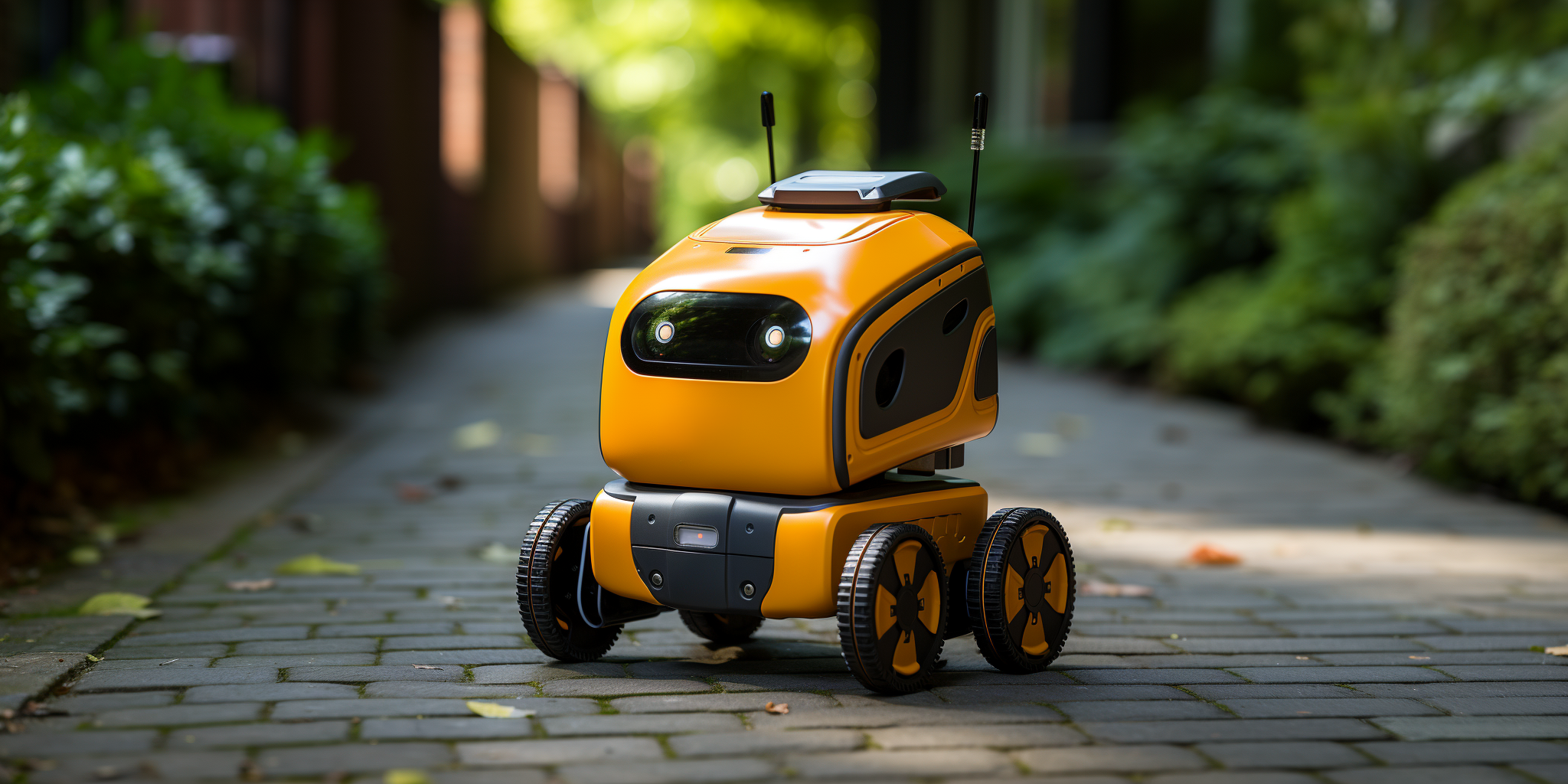
Amazon continues to dominate the e-commerce industry, necessitating entrepreneurs to invest in high-quality product images that distinguish them from the competition. In this context, AI Image Generation is emerging as a game-changer, especially for the Amazon FBA sellers, who can now create AI lifestyle images with relative ease and affordability. This technology is transforming the traditional product photography landscape, offering unparalleled efficiency, precision, and creativity.
Understanding the Significance of Product Photography on Amazon
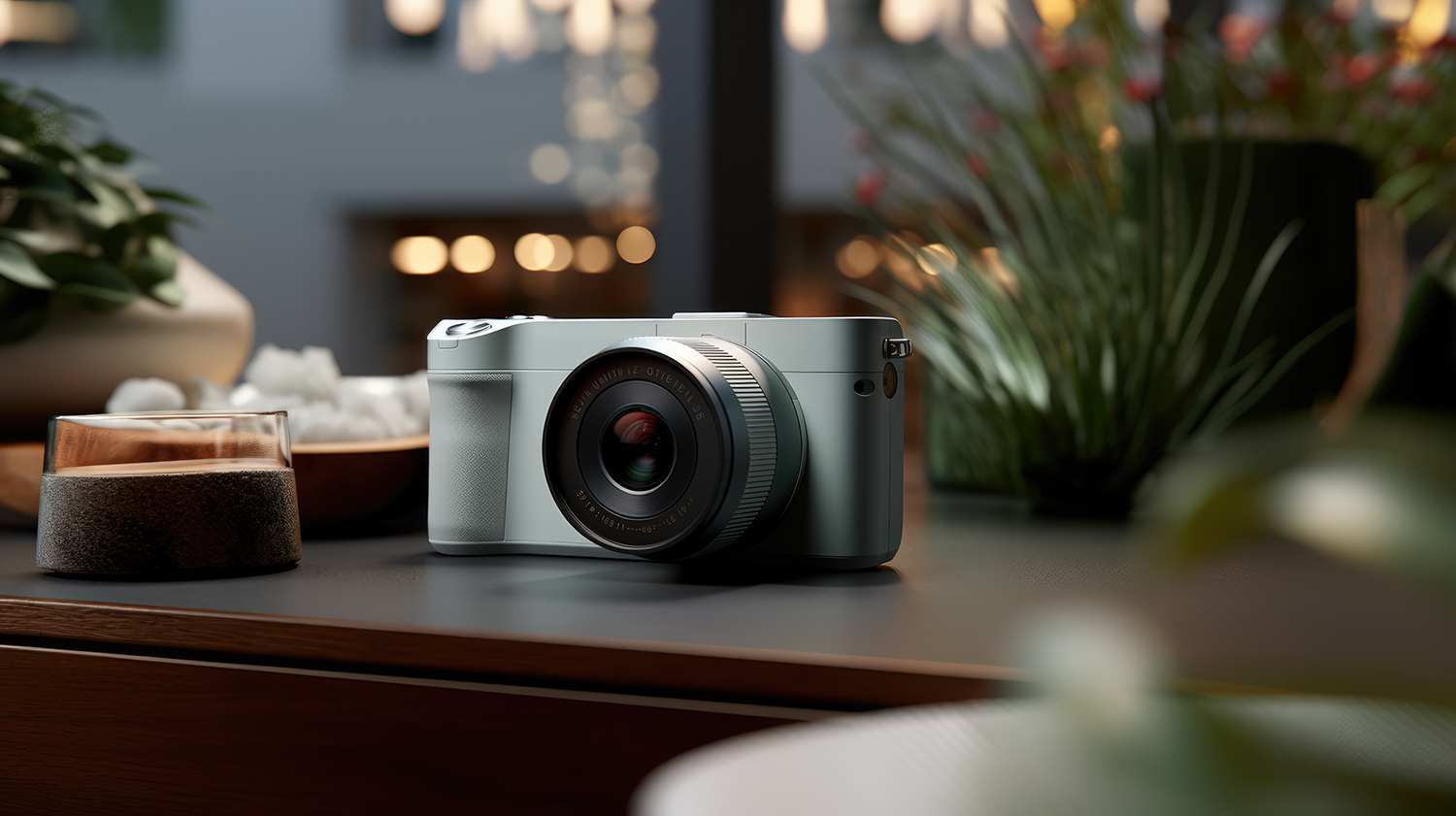
To thrive in the Amazon marketplace’s competitive landscape, compelling product photography plays an indispensable role. Over generic images with sterile white backgrounds, lifestyle images integrating products within real-world contexts perform better.
Lifestyle photos help potential customers visualise the product in use, enhancing engagement and conversions. Images featuring people also showcase products relative to their scale. Furthermore, lifestyle backgrounds like kitchen scenes or outdoor settings reflect customer lifestyles and aspirations, adding an element of relatability.
For Amazon FBA sellers, investing in lifestyle product photography that aligns with their brand ethos and product value can deliver an excellent ROI in the form of higher click-through rates, conversions, and sales.
Traditional Lifestyle Product Shoots: The Challenges
Yet, the execution of custom lifestyle photography traditionally demands significant time, resources, and budget, making it an uphill task for many e-commerce brands with large product catalogues. The pain points include:
1. Creative Planning: Brainstorming concepts and scene ideas that work for products.
2. Casting: Finding models that engage with products appropriately.
3. Location Scouting: Sourcing interior/exterior locations reflecting target lifestyles.
4. Art Direction: Choreographing models on location to get shots that are genuine.
5. Style/Prop Management: Pulling together outfits, props, and accessories for scenes.
6. Permitting: Getting legal access to public and private photo locations.
Travel Costs: Potential travel to optimal shoot destinations.
7. Studio Rentals: Backdrop setups for controlled product shots.
Post-Production: Selecting, editing, and retouching final images.
All these tasks demand considerable investments, making it challenging for smaller businesses or those with an extensive product range. However, the advent of AI in product photography is transforming this landscape, offering a solution: AI-powered lifestyle scene generation.
AI-Powered Lifestyle Scene Generation: The Game Changer
Recent advancements in AI technologies, particularly in generative adversarial networks (GANs), have led to significant progress in creating photorealistic images and scenes. Notable platforms like OpenAI’s DALL-E 3 and Midjourney stand at the forefront of this innovation. These AI platforms offer the capability to generate endless, customizable lifestyle photos on demand. Brands can now simply input a text prompt describing their desired lifestyle scene, and these AI tools will produce custom images that align with those descriptions. This revolutionary approach to generating scenes algorithmically offers transformative benefits for lifestyle product photography, making it easier and more efficient to create visually appealing and contextually relevant imagery for products.
1. Cost Efficiency: No expenses for models, styles, locations, studios.
2. Speed: Lifestyle scenes delivered instantly instead of waiting days/weeks.
3. Flexibility: Easily change backgrounds, products, models, angles, etc.
4. Scalability: Create thousands of unique lifestyle photos for your catalogue.
5. Diversity: People of any ethnicity, age, body are customisable.
More than a one-time shoot in a single environment, AI enables endless on-brand lifestyle photography at a fraction of the cost and effort.
Compositing Real Products into AI Scenes
While AI generates remarkably realistic lifestyle backgrounds and models there is still some way to go. That’s why we suggest compositing studio shot products into AI generated scenes. This leverages AI for environments while maintaining a high level of product photorealism. The process involves:
1. Product Photography: Professional photography of products isolated on white backgrounds using optimal studio lighting, angles, retouching.
2. AI Output Generation: Feeding the AI text prompts to output corresponding lifestyle scenes.
3. Compositing: Combining the studio product photo into the AI scene to create a cohesive lifestyle image.
4. Final Adjustments: Making any final tweaks to the composite for realism, including adjustments to lighting, shadows, etc.
The result is a lifestyle photo merging a real studio product into a generated scene for photorealism and customisation. Major photography platforms now offer AI compositing integrated seamlessly into workflows.
Optimising AI-Generated Lifestyle Images for Amazon
To maximise the sales impact of AI-generated lifestyle photos on Amazon, brands should consider the following best practices:
1. Match Scenes to Product Benefits: Show contexts that make your product helpful and enticing.
2. Align Model Demographics: Use diverse models in age, gender, and ethnicity that reflect your target consumer base.
3. Show Product-User Interaction: Have models engage dynamically with products, demonstrating tangible use cases.
4. Use Emotive Expressions: Models can convey emotion and reactions like excitement which enhances engagement.
5. Show Product Scale: Depict products at actual size relative to environments/people so customers can assess real-world scale and fit.
6. Follow Amazon Guidelines: Optimize images to comply fully with Amazon’s product photography requirements.
By following these practices, sellers can leverage AI-generated lifestyle images to maximise their Amazon product listing performance.
AI Tools: Transforming Editing, Tagging, and Asset Management
AI-powered tools are now capable of automating editing and retouching processes with astonishing precision. Leveraging machine learning algorithms, AI can analyse and enhance product images, correct imperfections, adjust lighting and colours, and even remove backgrounds.
Moreover, AI also brings a game-changing solution to the daunting task of cataloguing and organising vast collections of images. Advanced image recognition algorithms can analyse visual content and automatically tag products based on their attributes, such as colour, shape, or material. This enables photographers and businesses to quickly search, sort, and retrieve images, simplifying the process of asset management and streamlining workflows.
Conclusion
AI image generation is transforming the product photography industry in ways that were once unimaginable. From automated editing and retouching to virtual try-on experiences and personalised recommendations, AI-powered solutions are revolutionising the way businesses capture, enhance, and present their products.
The benefits of AI in Amazon product photography extend beyond efficiency and accuracy; they unlock new creative possibilities and enhance the overall customer experience. As AI continues to evolve, we can expect further innovations that will shape the future of product photography, empowering businesses to create captivating visuals that resonate with consumers in unprecedented ways.
In summary, the AI-powered future of lifestyle product photography is here, and Amazon FBA brands proactive in leveraging AI can achieve new levels of marketing personalisation and performance.
Let us help you step into the future of image creation.

Written by Dee Patel
Dee Patel is the founder of Products Photography UK, a West Midlands studio specialising in professional product photography and AI-enhanced imaging. With 16 years of commercial photography experience, Dee works with UK e-commerce brands, Amazon sellers, and B2B businesses across fashion, cosmetics, supplements, and more. Read Dee’s full profile →
Recent Comments